- calendar_today July 8, 2026
Tree Swallows in Canada National 2 Hit by Insect Decline
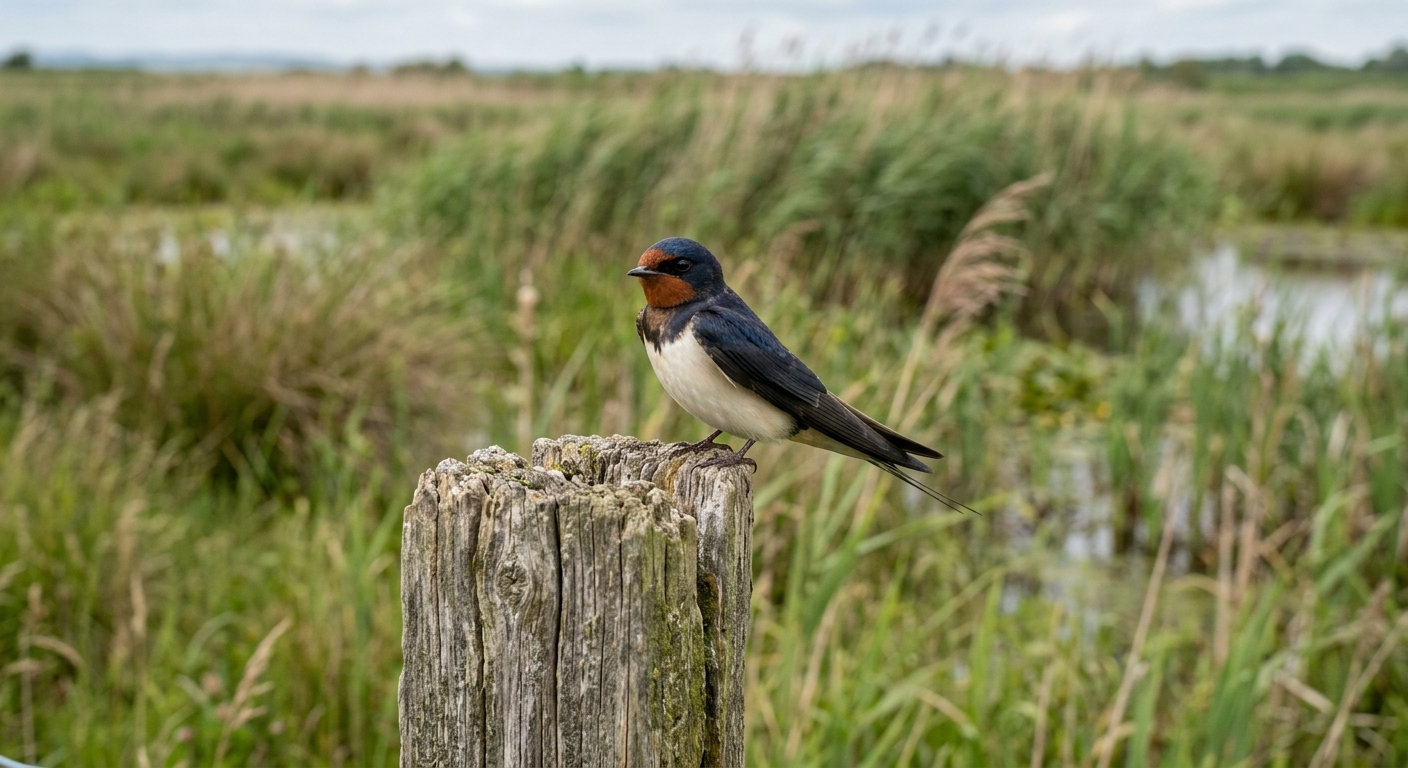
Tree swallows, known for their shimmering blue backs and bright white underbellies, are facing steep population declines in Canada National 2. As aerial insectivores, these birds rely heavily on healthy insect populations to thrive. However, recent findings highlight the critical pressure that widespread insect decline is placing on tree swallow populations across the region.
Long Point Bird Observatory Leads Decades-Long Research
Long Point Bird Observatory, recognized as one of the most significant centers for avian research in North America, has been at the forefront of monitoring tree swallows and other aerial insectivores. Intensive nest box monitoring at this site has provided unparalleled insight into how shifts in insect biomass directly affect bird population decline in Canada National 2 and across the continent.
Sharp Reductions in Insect Biomass Pressurize Swallow Populations
The observatory’s studies demonstrate that insect biomass has plummeted by roughly 50% over the past five decades. This comprehensive research links such insect biomass loss to a 43% decrease in the Canadian tree swallow population since 1970. As insects continue to disappear due to factors like habitat alteration, urbanization, and chemical pesticides, tree swallows are increasingly left with insufficient food during critical stages of their breeding cycle.
Climate Change Impacts Compound Breeding and Migration Challenges
Changing temperature patterns driven by climate change impacts are reshaping the seasonal availability of insects. Earlier springs are causing insects to emerge ahead of traditional breeding times. For tree swallows and other aerial insectivores, synchronizing breeding timing with insect peaks has become more difficult and less effective when overall prey is less abundant. Even well-timed nesting now results in fewer and smaller nestlings, with potentially serious consequences for adult survival and migration success.
Chemical Pesticides and Land Use Intensify Risk
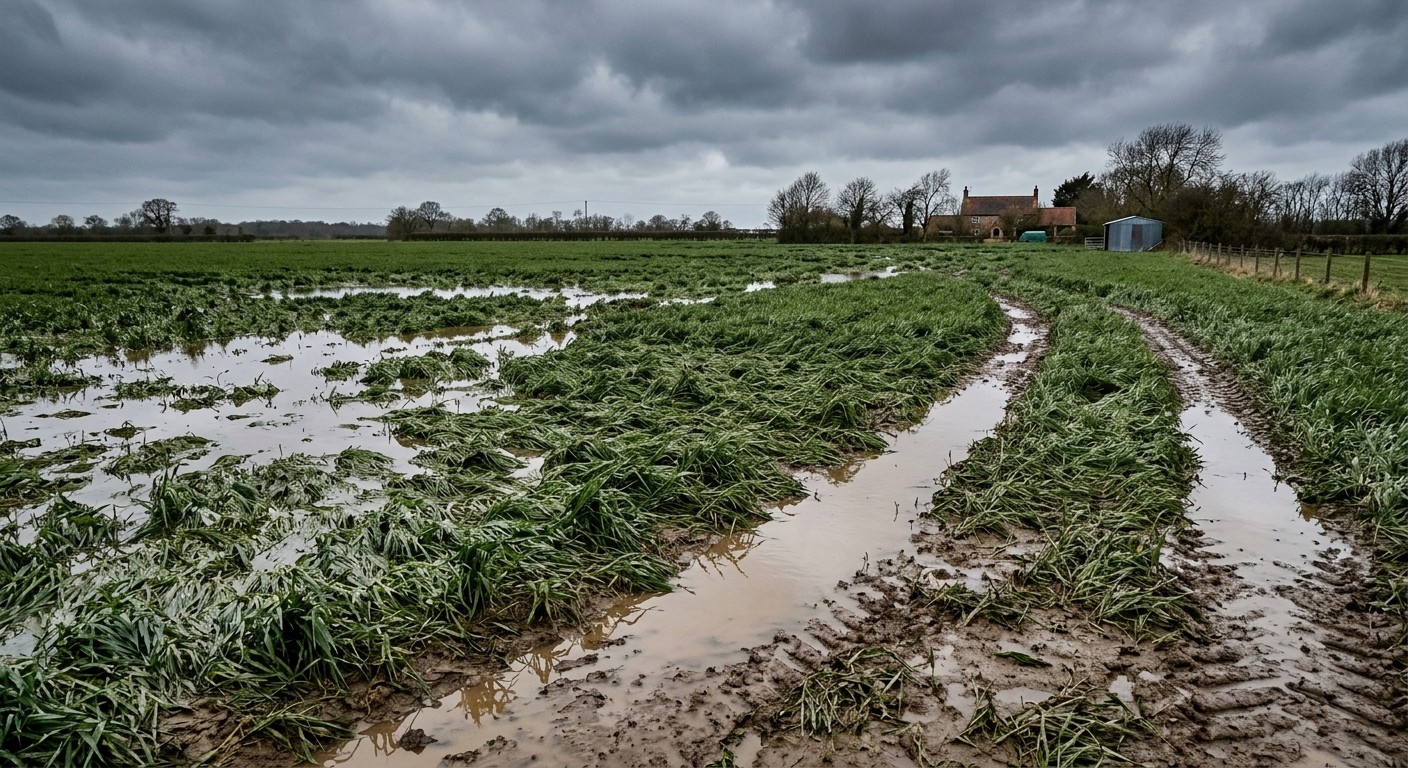
Pervasive use of chemical pesticides has contributed heavily to observed insect decline. As these chemicals reduce insect populations—from flies and beetles to moths, which are staple foods for swallows—tree swallows are left with a shrinking resource base. The combined effect of pesticide exposure and land use changes has proved especially detrimental in many agricultural and suburban areas spanning Canada National 2.
Conservation Efforts and Community Involvement Offer Hope
Dedicated conservation efforts are now more important than ever. Initiatives such as preserving natural wetlands, establishing protected corridors, and installing nest boxes help mitigate habitat loss and offer tree swallows safer breeding spaces. Ongoing nest box monitoring projects empower citizen scientists and local communities to engage directly in species protection, while supporting research at institutions like Long Point Bird Observatory provides data critical to forming targeted strategies against bird population decline.
Outlook for Tree Swallow Recovery
Addressing the decline of tree swallows in Canada National 2 must remain a regional conservation priority. Reducing chemical pesticide use, restoring natural landscapes, and maintaining long-term ecological monitoring are key steps recommended by experts. Broader awareness and public support for these conservation efforts can play a pivotal role in reversing current trends for aerial insectivores in Canada and beyond.