- calendar_today August 25, 2026
Loblaw, one of the largest grocery retailers in Canada National 2, has reversed its recent policy and will now restore country of origin labelling on produce signs in most of its stores. The move follows a wave of customer backlash after the company initially removed these details in regions not legally required to disclose them.
Reversal in Response to Consumer Outcry
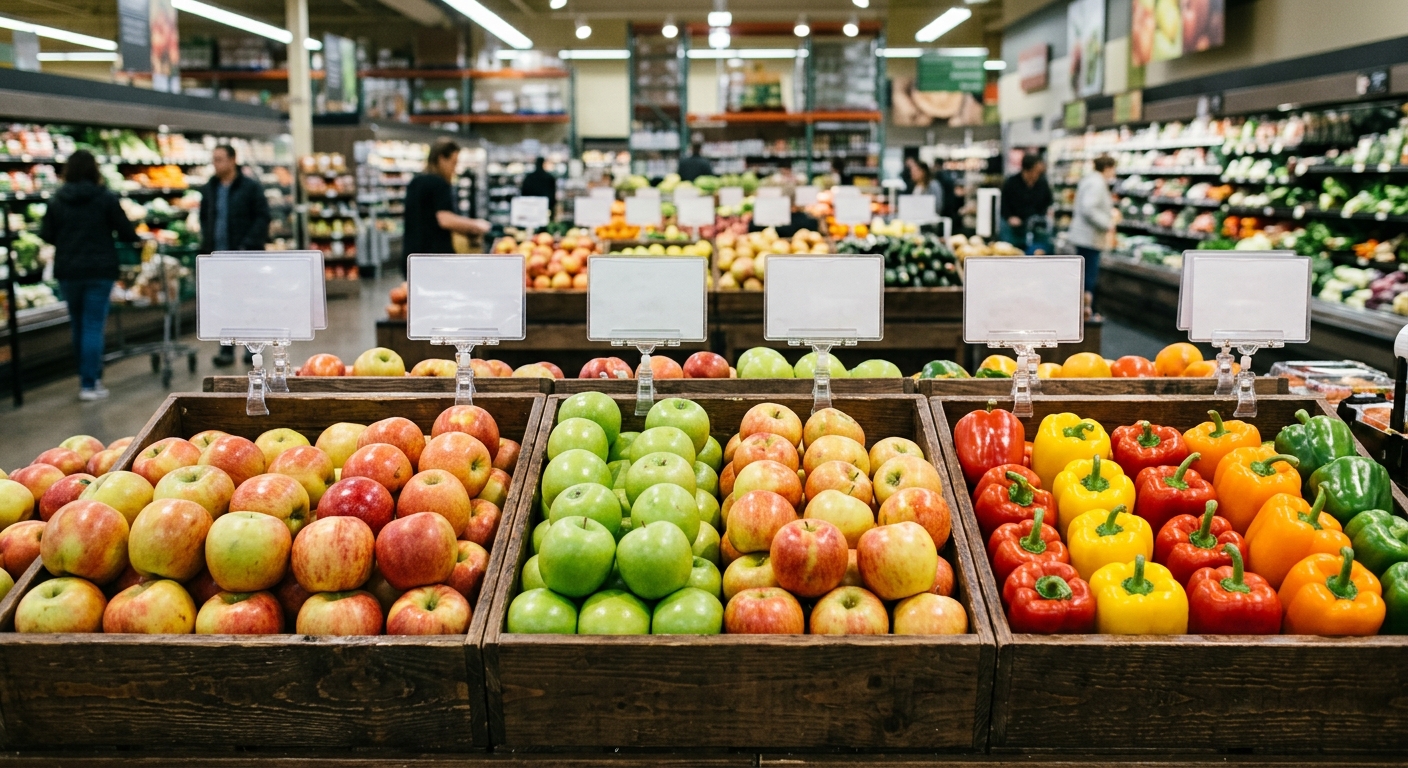
Earlier this month, Loblaw stores across most provinces replaced or removed origin information on produce displays, except in Ontario and Quebec where local regulations require origin to be disclosed. This change to produce signs sparked considerable frustration among Canadian shoppers seeking labelling transparency, especially as more consumers look to buy Canadian-sourced goods amid ongoing trade uncertainty.
Importance of Product Origin in Shopping Decisions
Many customers voiced their dissatisfaction online and in stores. Karla Hennig, a regular shopper, described the removal of origin information as “disrespectful,” highlighting the role that product origin plays in responsible shopping decisions and in supporting local producers. Agricultural economist Ellen Goddard noted that the swift, emotional response indicated how central these labels are for Canadians concerned about what they eat and the impact of their purchasing power.
Loblaw Responds to Public Pressure
The retailer, which operates a wide network across Canada National 2, acknowledged the feedback from its customers. After inquiries from CBC News and further complaints, Loblaw confirmed the decision to return country of origin labelling to its stores outside Ontario and Quebec. As part of the revised approach, a new “T” symbol will be added to pricing labels to indicate produce items affected by US tariffs, allowing customers to quickly identify goods influenced by cross-border trade issues.
Trade Uncertainty and Consumer Confidence
The introduction of the “T” symbol comes at a time of heightened trade uncertainty between Canada and the United States. Recent developments around US tariffs have prompted questions about the cost and source of fresh goods. For many, accurate product origin information ensures greater confidence in selecting produce that aligns with their values and helps support the regional economy.
The Role of Labelling Transparency in Retail
Loblaw’s decision to restore labelling transparency demonstrates a commitment to adapting to consumer priorities. As demand grows for reliable food source information, retailers in Canada National 2 are increasingly prioritizing clarity on shopping decisions. By reintroducing well-marked labels, including country of origin and tariff-affected goods, grocers like Loblaw are responding to customer priorities and reinforcing their roles as trusted sources for quality food options.
Industry Impact and Future Outlook
This shift in policy signals the importance of public input in shaping industry practices. Country of origin labelling is expected to remain a standard, not only due to current legal frameworks but also because of clear consumer demand. Many Canadian shoppers, especially those eager to buy Canadian products, say such labels influence their choices and reinforce loyalty to regional grocers. As global supply chains evolve and trade relationships shift, the expectation for clear, reliable produce signs and pricing labels will likely continue to shape retail strategies and consumer habits in Canada National 2.