- calendar_today August 28, 2025
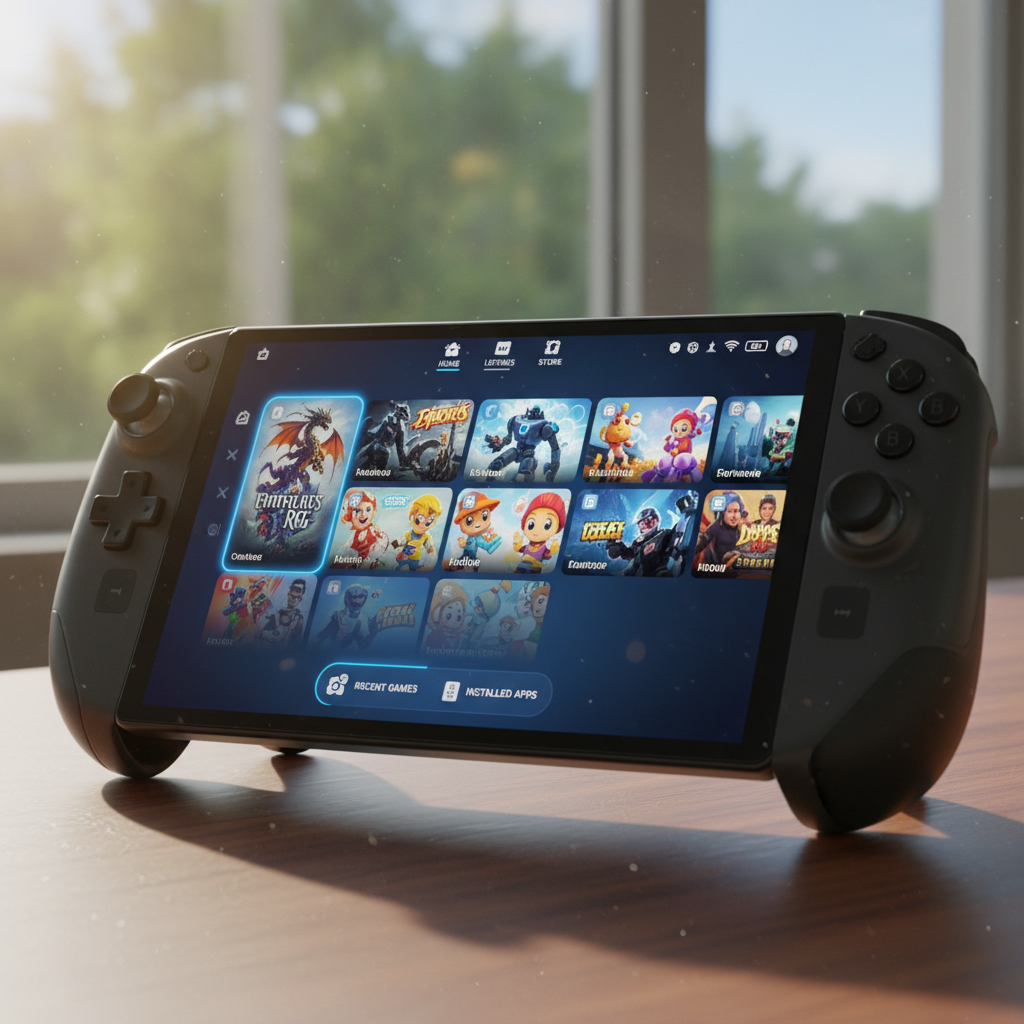
Microsoft launches its Xbox-branded user interface for portable Windows devices to strengthen its presence in the handheld gaming market. Asus worked together with Microsoft to develop the interface which will debut on the ROG Xbox Ally. This novel UI abandons the conventional Windows desktop design for a full-screen tile layout which supports touchscreen interaction and gamepad controls to deliver an experience similar to using a game console.
Valve’s Steam Deck running SteamOS has dominated the handheld gaming market until this point as its Linux-based platform gained popularity. SteamOS relies on Proton, a compatibility layer which has seen substantial advancements to support numerous Windows games that cannot run natively on the system. The system shows great promise but continues to coexist alongside Windows and presents compatibility problems for select users. Its gaming-first design along with efficient performance has helped it achieve significant popularity.
The new Xbox UI from Microsoft aims to integrate Windows’ adaptability with the gaming console’s smooth user interface. Users will gain access to the extensive Windows game library through an interface that delivers a more natural gaming experience on portable devices. Microsoft announced that the latest Xbox UI will launch first on the ROG Xbox Ally before it becomes available on other models in the ROG Ally series. Additional Windows handheld devices will receive the rollout beginning in 2025.
Microsoft has avoided officially acknowledging that the current user interface originates from its 2022 “Windows Handheld Mode” concept but the similarities are unmistakable. An internal hackathon discussion introduced an initiative to address Windows handhelds’ poor touch support and limited controller functionality with a new simplified, gaming-focused interface.
The new Xbox UI includes both a more intuitive design and substantial performance enhancements. Microsoft confirms that the new Xbox desktop interface replaces the traditional Windows desktop while saving a few gigabytes of RAM and cutting energy consumption. The improved efficiency of the system delivers better performance and extended battery life which are essential for handheld gaming devices. The original ROG Ally devices required operating full Windows alongside Asus’ Armoury Crate software which created extra system overhead. The Xbox UI now connects these benefits while maintaining system efficiency.
Users will retain access to the traditional Windows desktop environment even after the UI redesign. Users can access the traditional interface but only by manually starting it. The hybrid system allows users to seamlessly transition between a gaming-focused interface and full desktop functionality whenever required.
SteamOS and Proton help Valve further consolidate its market position. Proton now supports more Windows games and extends its compatibility to non-Steam Deck systems such as select ROG Ally models. The enhancements made to SteamOS enabled Linux to capture more than 4% of worldwide desktop market share marking a significant achievement for a platform previously on the edge of mainstream gaming.
The recent dedication of Microsoft to AI and security developments explains their slow reaction to industry advancements. For a long time people did not consider handheld gaming as a major threat to Windows PC dominance. The Steam Deck’s achievements together with SteamOS’s development progress have put the previous perspective of handheld gaming’s threat to Windows into question. Now, Microsoft is finally responding.
Key takeaways from Microsoft’s move include:
- Microsoft will launch a new Xbox UI on the ROG Xbox Ally and start expanding to other devices beginning in 2025.
- The interface shifts from the conventional Windows desktop to a full-screen tiled layout designed to enhance gaming performance.
- Microsoft states their new UI design will enhance performance by saving RAM resources and decreasing energy consumption.
- Users can continue to use the traditional desktop UI which allows them complete control over their device experience.
Microsoft’s Xbox UI potential to become a game-changer versus a catch-up move depends on its adoption level and performance compared to SteamOS. But one thing is clear: Microsoft is finally taking handheld gaming seriously.