- calendar_today August 7, 2025
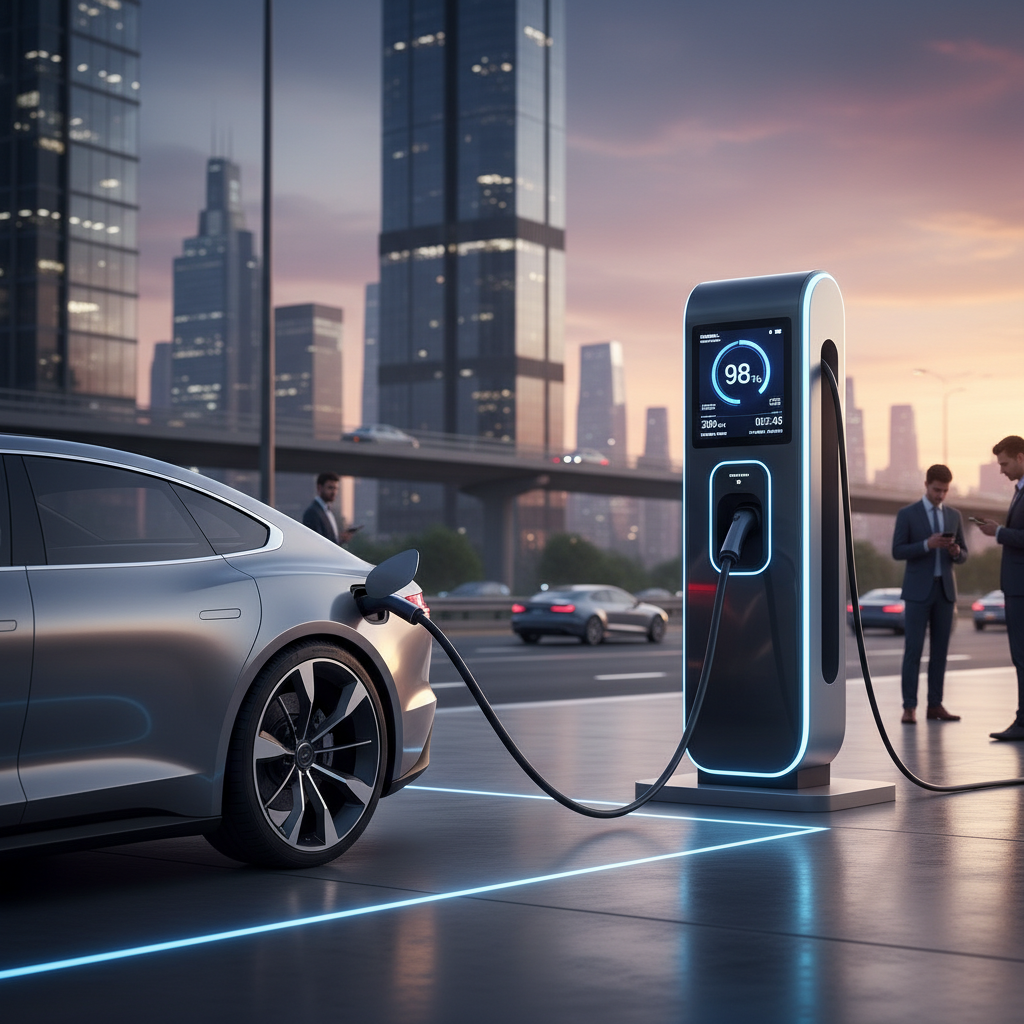
The Chinese automotive leader BYD which has overtaken Tesla in worldwide EV sales just recently revealed their transformative “super e-platform” which represents a major breakthrough for the EV sector. The advanced system with 10C charging capabilities and 1,000 kW DC chargers aims to minimize EV charging duration to match the speed of gasoline refueling. This development tackles one of the greatest obstacles for broader EV acceptance by reducing extended charging durations.
BYD’s technology delivers an incredible 249-mile (400 km) range extension within a five-minute period. This feat significantly outperforms current industry standards: Tesla Superchargers reach a maximum of 250 kW while Electrify America stations provide up to 350 kW and Formula E’s high-performance chargers extend up to 600 kW.
BYD chairperson Wang Chuanfu stated that their objective is to match electric vehicle charging speed with the refueling time of gasoline vehicles which demonstrates their dedication to transforming the electric vehicle user experience.
Unleashing the Power: Technical Deep Dive into BYD’s 10C Charging
The “super e-platform” harnesses battery technology which enables charging speeds reaching 10C allowing full battery charge completion in 6 minutes under perfect conditions. The combination of 1,000 kW DC chargers with this technology enables fast energy transfer which leads to substantial reductions in charging times. BYD intends to spread more than 4,000 megawatt chargers throughout China to power its latest EV models which include the Han L sedan and the Tang L SUV.
Global Market Dynamics: US Market Barriers and Potential Licensing Opportunities
BYD has successfully expanded into global markets especially in Europe but encounters substantial political obstacles when trying to enter the US market. Congressional members from both political parties have signaled their worries about national security threats and economic rivalry which has propelled moves to limit Chinese EV manufacturers from accessing the US market.
Recognizing the differences between range estimation standards is essential. The CLTC standard used in China allows for a 249-mile range estimate which is more lenient than the US EPA standard. EPA testing would probably result in a shorter achievable range.
Although several obstacles exist US automakers can still potentially license BYD’s technology. Through licensing agreements, US automakers could speed up the implementation of quicker charging standards which would overcome political barriers and deliver rapid charging advantages to more people.
Key Insights:
Significant Charging Speed Improvement: BYD’s introduction of 10C charging systems and 1,000 kW chargers establishes faster EV charging times than current industry standards.
Addressing Range Anxiety: The option to charge 249 miles of range within five minutes directly targets customer fears regarding range limitations and extended charging sessions.
Infrastructure Investment: BYD intends to install more than 4,000 megawatt chargers throughout China demonstrating a major commitment toward charging infrastructure development.
Global Market Implications: BYD’s technology holds potential to shape worldwide EV charging standards through licensing deals despite US political obstacles.
Range Estimation Differences: People buying electric vehicles need to understand how CLTC range estimation standards differ from EPA standards to accurately assess BYD’s performance claims.