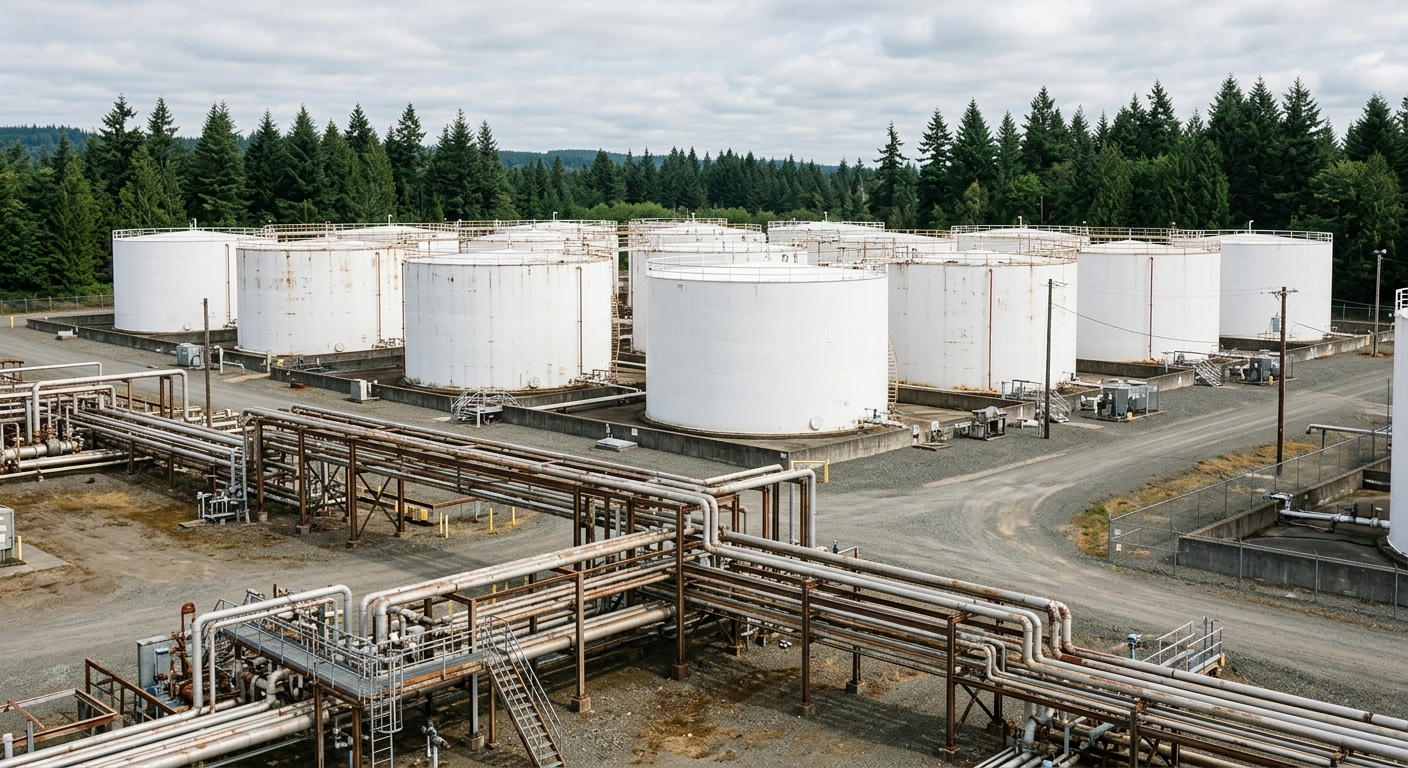
AI-generated illustration; not a photograph of the reported event.
- calendar_today September 27, 2026
In Canada National 2, Conservative Leader Pierre Poilievre has introduced a comprehensive proposal aimed at slashing the diesel fuel tax, with the goal of safeguarding the nation’s diesel supply and making prices more affordable for Canadians. The plan comes amid ongoing concerns about diesel cost volatility and access in several regions, despite the country’s strong domestic diesel fuel production capabilities.
Eliminating Taxes to Address Diesel Affordability
The cornerstone of Poilievre’s policy is the immediate removal of all federal taxes on diesel sales until at least Canada Day. Specifically, the initiative seeks to extend the full fuel excise tax cut on diesel fuel until July 1 of the following year. Additionally, the plan includes removing the Goods and Services Tax (GST) from fuel purchases to further support consumers and businesses grappling with high fuel prices across Canada National 2.
Tackling Transportation Bottlenecks and Imports
Although Canada produces enough diesel fuel domestically to satisfy national demand, certain regions still encounter supply disruptions. Transportation bottlenecks have created a situation where some provinces must import diesel from the United States, exposing Canadian markets to foreign price fluctuations and availability challenges. By cutting the diesel fuel tax and focusing on reliable internal distribution, the new proposal aims to alleviate regional disparities and foster a more integrated national market for diesel.
Proposed Changes to Carbon Policy and Clean Fuel Standards
In addition to the fuel tax cut, Poilievre’s plan calls for the permanent elimination of the federal industrial carbon tax and the clean fuel standard. He argues that both the carbon tax and the clean fuel standard add unnecessary costs to diesel production and deter vital investments in updating and maintaining Canada’s refining capacity. The removal of these policies, according to Poilievre, would contribute to making Canadian diesel more competitive while prioritizing national energy needs.
Boosting Refining Capacity and Energy Infrastructure
The policy proposal places emphasis on expanding Canadian refining capacity, enabling domestic facilities to process greater volumes of Canadian crude. Poilievre also stressed the need to invest in essential energy infrastructure, such as pipelines and storage facilities, to ensure the consistent delivery of diesel fuel to all corners of Canada National 2. Enhanced refining capacity and energy infrastructure are positioned as fundamental to building a more resilient fuel supply chain and supporting economic growth throughout the region.
Impacts for Local Communities and National Stakeholders
If implemented, these measures could have significant effects for communities, transportation sectors, and businesses dependent on affordable diesel. Lowering fuel prices would relieve cost pressures across industries, from logistics and agriculture to public transit. Stakeholders in Canada National 2, including fuel distributors and end-users, are likely to pay close attention as debates around the fuel excise tax, carbon tax, and clean fuel policies unfold in Parliament.
Emphasizing Canadian Energy Independence
Poilievre unveiled the proposal at a gas station near Ottawa, underscoring his commitment to enhancing Canadian energy independence and long-term affordability. The diesel fuel tax cut was positioned as part of a broader plan to keep more Canadian dollars within the national economy, reduce reliance on imported fuel, and reinforce the country’s role as a reliable producer of Canadian diesel. With ongoing discussions about national energy policy, the proposal is poised to prompt significant debate among policymakers and communities in Canada National 2.