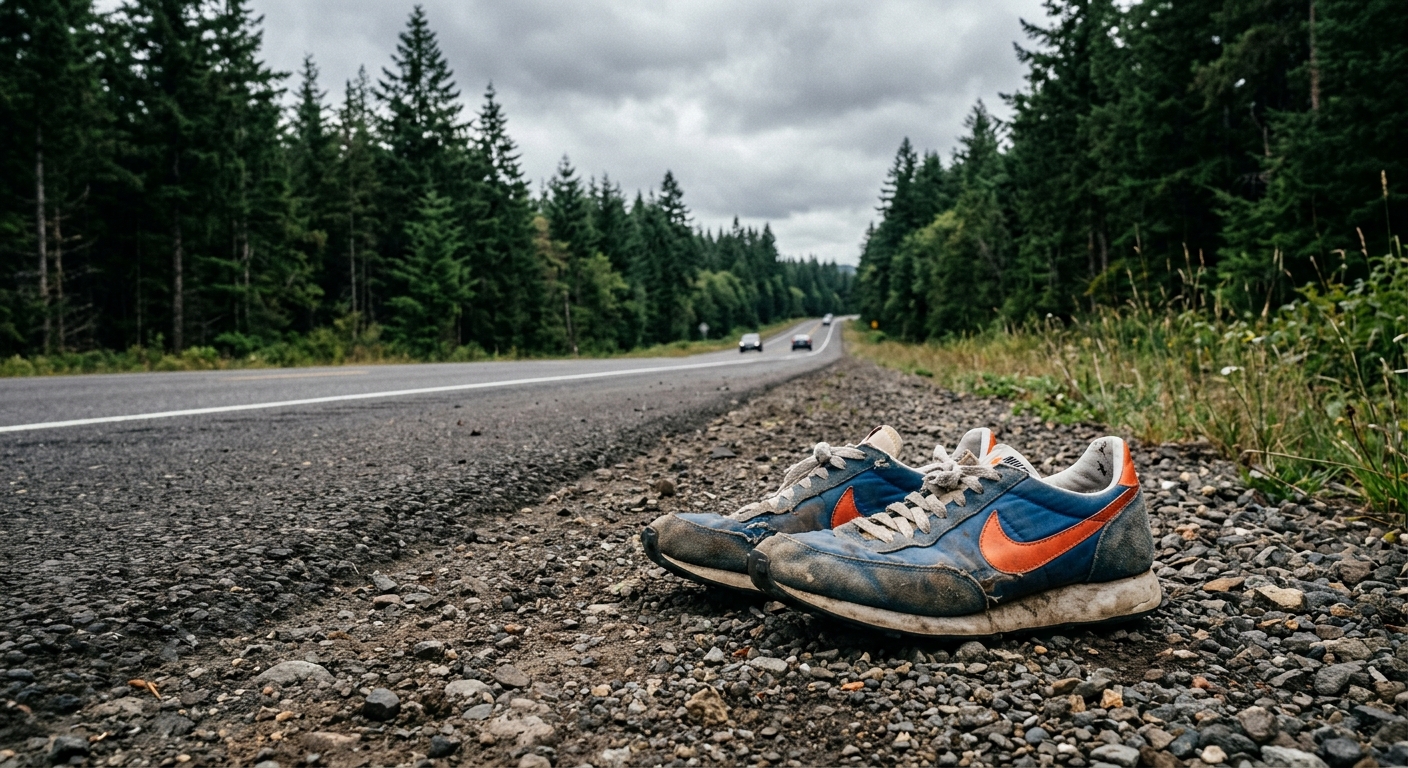
AI-generated illustration; not a photograph of the reported event.
- calendar_today October 9, 2026
Unseen Moments from the Marathon of Hope
Run Terry Run, a new documentary directed by Sean Menard, offers a fresh perspective on Canadian hero Terry Fox through rare, previously unseen footage from his 1980 Marathon of Hope. Premiered at the Toronto International Film Festival, the film draws on 96 reels of archival material that present Fox's determination, frustrations, and sense of humour in vivid detail.
Terry Fox's Remarkable Journey and Mission
Terry Fox set out to run across Canada from St. John’s to Victoria—a journey of about 8,000 kilometres. He planned to cover approximately 42 kilometres a day, the distance of a marathon. However, his route included detours for rallies and events to raise awareness for cancer research, transforming his endeavor into a national phenomenon. His run ended near Thunder Bay, Ontario, on September 1, 1980, after he learned that cancer had spread to his lungs. By then, he had run 5,373 kilometres over 143 days.
Family Support and Personal Challenges
Initially, Terry was accompanied by his best friend, Doug Alward, but tensions arose under the strain of the run. Terry's younger brother, Darrell Fox, then 17, joined in New Brunswick and acted as a mediator. The documentary highlights the dynamics of their journey and the crucial support of family during the Marathon of Hope.
Facing Media Coverage and Sponsorship
Fox cared about how the media portrayed him, particularly when stories overlooked his purpose or focused on interpersonal disagreements. Support grew thanks to journalist Leslie Scrivener's weekly column documenting Terry's story. Terry insisted donations benefit cancer research, declining sponsorship funds for personal use. Organizations lent non-financial support: Ford donated a van, Adidas provided shoes, and publicist Bill Vigars was hired by the Canadian Cancer Society.
Personal Motivations and Health Struggles
Terry believed a past car accident contributed to his cancer, though doctors disagreed. His experiences in hospital, especially witnessing young patients with cancer, spurred his commitment to the run. The documentary shows his determination to go beyond his own battles and inspire hope for others affected by cancer.
Prosthetic Leg Challenges and the Hard Road
As Terry lost weight, his prosthetic leg began to fit poorly, causing pain and injury. The documentary captures moments of frustration and perseverance as Fox continues despite bleeding and discomfort. Certain segments also highlight the difficulties he faced running through Quebec, where language barriers and lack of public awareness posed safety concerns.
Moments of Levity and Emotional Endings
Despite his serious mission, the documentary reveals Terry’s lighter side—playing pranks, sharing jokes, and connecting with children, including those who had also faced amputation. The film documents the emotional moment when Darrell Fox realized the full extent of Terry’s illness after his brother’s final hospital visit—a key turning point on September 1, 1980.
Terry Fox's Enduring Legacy
Terry Fox’s legacy endures long after his death in June 1981, at just 22 years old. Annual Terry Fox Runs continue across Canada and around the world, raising over one billion dollars for cancer research. Honoured with the Order of Canada, Fox remains an inspiration, with family and filmmakers alike hoping the new documentary helps audiences see that his determination is an example anyone can follow. Run Terry Run opens in theatres on October 9.
Source: cbc.ca.