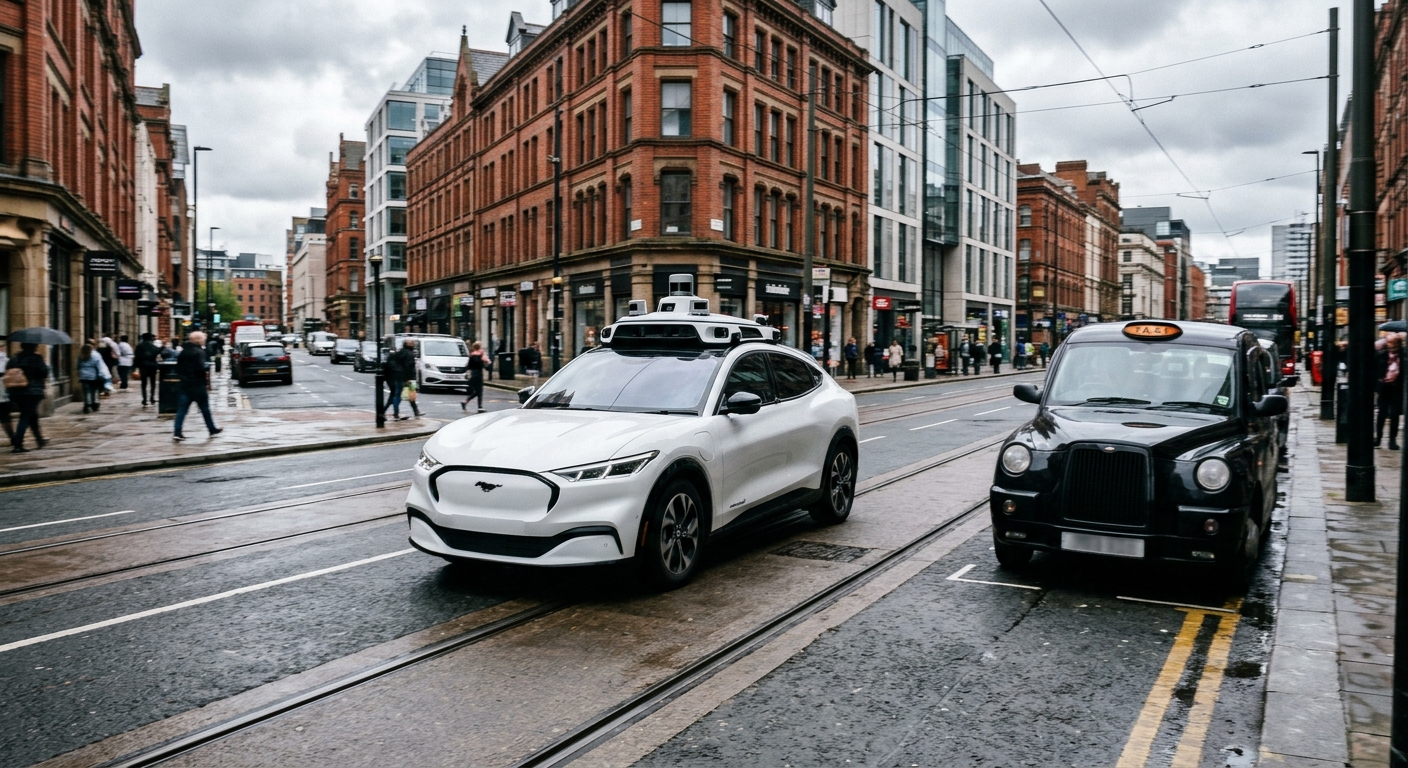
AI-generated illustration; not a photograph of the reported event.
- calendar_today October 28, 2026
Waymo Announces Driverless Ride Hailing Plans for Toronto
Waymo, the company known for its autonomous vehicle technology, plans to introduce driverless ride-hailing vehicles in Toronto, raising concerns among existing taxi and rideshare drivers about increased competition and potential job losses. Plans include testing these vehicles in Toronto ahead of a projected 2028 launch.
Concerns Rise Among Taxi and Rideshare Drivers
The announcement has unsettled many in Toronto’s transportation industry. George Wedge, a former Uber driver and current president of the Rideshare Drivers Association of Ontario, expressed surprise at the news. "I thought we were smarter than that," Wedge said, referencing the industry’s intense competition. He fears that the introduction of Waymo driverless vehicles could push many rideshare drivers out of work, stating, "For every Waymo car that's on the road, there's one to three rideshare drivers who are no longer getting any gainful employment."
Toronto had over 80,000 active private-transportation-vehicle (PTC) licensed drivers by the end of 2024. This figure represents drivers for apps like Uber and Lyft and does not include taxi or limousine drivers.
Waymo Promises Jobs, But Skepticism Remains
Waymo says it plans to hire "hundreds" of local workers as part of its rollout, including for positions in fleet management and customer service. According to a company spokesperson, these roles are often filled by current taxi and rideshare drivers—a practice Waymo says it has followed in other cities, such as in partnership with Lyft in Nashville.
However, skepticism remains in the industry. Kristine Hubbard, managing director of Beck Taxi, said the arrival of Waymo echoes the impact Uber had on the city’s drivers. "It's another billion-dollar U.S. company that wants to claim ownership of our streets," Hubbard commented. She noted that earlier promises made by ride-hailing apps about reducing vehicles on the road and providing well-paying jobs did not materialize.
U.S. Experience Highlights Industry Impact
Some drivers in U.S. cities, where Waymo operates, offer warnings to their Canadian counterparts. Bhupendra Chouhan, an Uber driver in Atlanta and co-chair of the Atlanta Rideshare Drivers Union, said that the entry of Waymo into Atlanta’s ride hailing market in 2025 led to a significant decrease in his ridership, down by an estimated 20 to 30 percent over the past year. Chouhan expressed regret that drivers were not given the opportunity to respond with legislation before Waymo's arrival.
Ontario Government and City of Toronto Weigh Impact
Waymo is currently in the early stages of gaining accident road approval in Ontario, beginning testing under the province’s automated vehicle pilot program. The provincial government has stated that it will not approve Waymo beyond the initial phase without considering the impact on the labour market. Dakota Brasier, with Ontario’s Ministry of Transportation, emphasized that Waymo must meet safety, operational, and employment requirements.
The City of Toronto is still assessing how its Vehicle-for-Hire Bylaw would apply to automated vehicles, as no driverless cars have yet been approved. City staff are reviewing potential regulatory changes that might be required in the future.
Mixed Reactions from Drivers as Technology Advances
Longtime Toronto taxi driver Ahmed Abdel Rahman expressed apprehension about the potential arrival of Waymo’s driverless taxi service in 2028, sharing concern over possibly having to change careers. "Technology, it changed everything," Rahman said, citing previous impacts from ride-hailing apps.
The Road Ahead for Toronto's Ride Hailing Market
Waymo’s proposed launch of driverless ride-hailing vehicles in Toronto could bring significant changes to the city’s transportation landscape. The full impact will depend on regulatory decisions, Waymo’s job creation efforts, and how quickly driverless taxi technology is adopted in the local market.
Source: cbc.ca.