- calendar_today August 29, 2026
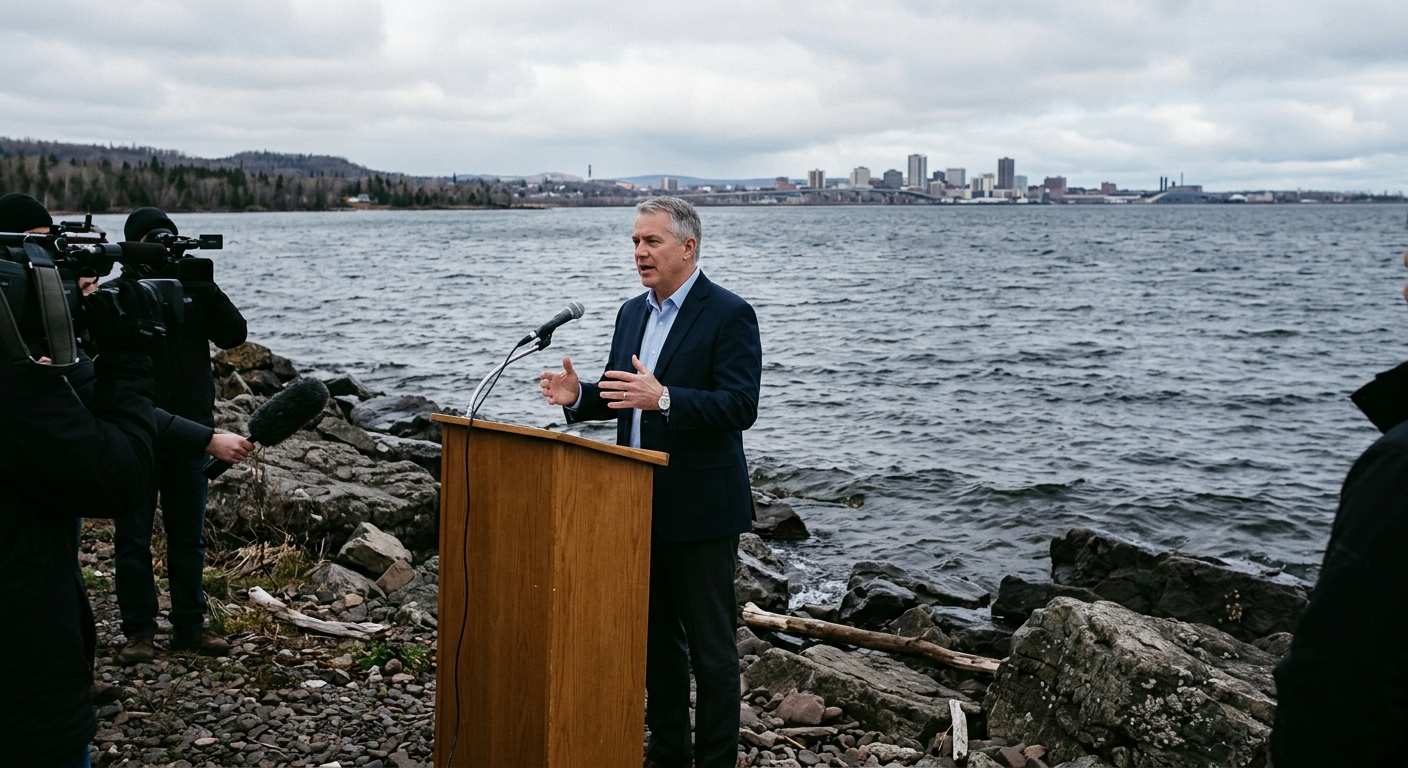
In a decisive response to recent international tensions, Canada National 2 solidified its stance on the historic designation of Lake Ontario after a controversial attempt by the United States administration to rename the waterway ignited diplomatic debate across the border. Ontario Premier Doug Ford, at a press event, unveiled a bold new sign stating “Lake Ontario Now and Always,” publicly reaffirming both regional and national commitment to the name during a pivotal moment in Canada United States relations.
Trade Negotiations Spark Political Standoff
The incident unfolded against the backdrop of acrimonious trade negotiations between Canada and the United States. Talks between the nations broke down amid mutual accusations regarding last-minute changes in agreements, escalating into a trade war coupled with charged rhetoric. U.S. President Donald Trump intensified hostilities by signing an executive order seeking to rebrand the lake as “Lake America,” arguing that such a change reflected new diplomatic realities.
Official Responses and Defense of Canadian Sovereignty
Premier Doug Ford addressed the controversy with a direct message, noting that the name would remain Lake Ontario throughout Canada and across international channels. Backed by various officials, including Prime Minister Mark Carney and Nova Scotia Premier Tim Houston, Ford cited the importance of Canadian sovereignty and resistance to what many described as an unnecessary provocation. Carney highlighted the lake’s centuries-old significance as well as its linguistic roots in the Huron word for “lake of shining waters.”
U.S. Governors and Cross-Border Support
Even as President Donald Trump pressed for the Great Lakes renaming, several U.S. governors issued statements signaling their intent to maintain usage of the historic name. Their stance was welcomed by Ford, who commended the persistent bonds shared by bordering communities around the Great Lakes region.
Cultural, Economic, and Historical Significance
For the people of Canada National 2, Lake Ontario is far more than a body of water or a line on a map. As the easternmost and smallest of the Great Lakes, the lake not only acts as a major freshwater resource but also as a cultural touchstone steeped in Indigenous legacy. Generations have revered the lake’s role in trade, recreation, and ecological sustainability. The unveiling of the Lake Ontario sign near Toronto attracted crowds eager to show support for regional heritage in the face of international pressure.
Broader Implications for Canada United States Relations
This episode reflects broader strains in Canada United States relations, intensified by recent disputes over tariffs and bilateral agreements. While diplomatic posturing has been commonplace in the past, the attempt to rename a critical waterway marks an escalation in symbolic brinkmanship. Policy experts note that such moves could complicate future negotiations over cross-border issues, including water rights and trade in vital agricultural and manufacturing sectors.
Looking Ahead: Reaffirming Identity
As the region continues to face economic and diplomatic headwinds, local leaders and residents are rallying around the enduring symbolism of Lake Ontario. The incident has galvanized a renewed sense of unity, prompting a reassessment of both international alliances and regional priorities. For now, government representatives and community organizations across Canada National 2 remain resolute—the original name will persist, echoing the traditions and future ambitions of the area’s people. Observers say the episode offers a potent reminder of the importance of place names in asserting identity and fostering cross-border understanding, even amid fractious times.