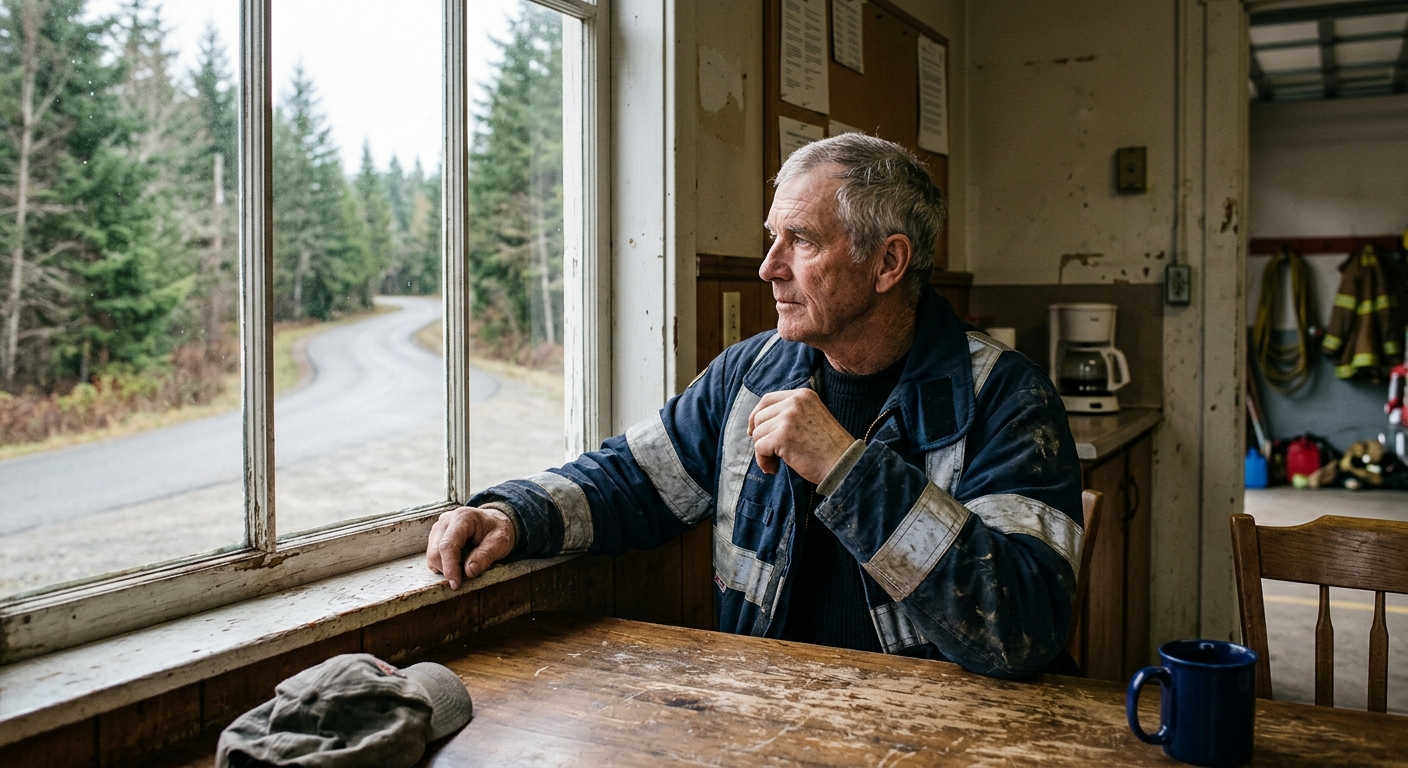
AI-generated illustration; not a photograph of the reported event.
- calendar_today October 11, 2026
Introduction: A Career on the Front Lines
Ernie Gallant spent 20 years volunteering with the New Glasgow Fire Department in Prince Edward Island. After two decades of responding to emergencies and supporting his community, Gallant faced a personal crisis—one that would ultimately lead him to champion mental health awareness among firefighters.
The Onset of Post-Traumatic Stress Disorder
In the summer of 2020, Gallant experienced a severe breakdown. "I didn’t know what was going on," he recalled on CBC’s Island Morning. "My legs came out from under me and I was crying." Following this episode, Gallant was diagnosed with post-traumatic stress disorder (PTSD), a mental health condition that can result from experiencing or witnessing traumatic events. According to the Canadian Mental Health Association, symptoms of PTSD can include vivid flashbacks, anxiety, and depression, among others.
Connecting Past Trauma with Present Challenges
Gallant identified years of stressful fire calls and particularly traumatic incidents as major contributors to his diagnosis. He shared that everyday moments could act as triggers. "Every time I come out of the driveway and looked left, I was triggered," he said, referencing a distressing fire call in 2003 that left a lasting impact.
Promoting PTSD Awareness in the Fire Service
After struggling alone for years, Gallant recognized the need for open conversations about firefighter mental health. In 2025, he began presenting his story—under the title “Left Turn”—to fire departments across Prince Edward Island. Through these talks, he aims to help others recognize undiagnosed PTSD and encourage trauma recovery in the fire service. "Twenty-five years ago, there was nothing positive," Gallant said of the past approach to firefighter trauma. "You went home. Best case, you sat back at the hall and talked a little bit... Worst cases, there were guys that, in other halls, alcohol became an issue."
Breaking the Mental Health Stigma Among Veteran Firefighters
Gallant’s message often resonates most with older, veteran firefighters who may not have had access to mental health resources earlier in their careers. He recalled a young firefighter inviting him to speak at the Alberton department, explaining that "the older members need to hear this. The younger members are getting the training now but the older members aren’t." This generational gap in mental health understanding is echoed by Jayoda Tennekone, a Charlottetown-based registered social worker. Tennekone observed that younger people generally have more comfort and language to discuss their experiences, whereas older men often strive to live up to stereotypes of stoicism.
Supporting Men’s Mental Health and Normalizing Seeking Help
Tennekone revealed that about 80 per cent of his practice consists of men and adolescent boys. Reducing mental health stigma and providing safe spaces for men to express vulnerability are important steps, he explained. Gallant’s initiative aims to normalize these conversations, demonstrating that opening up about PTSD symptoms and firefighter trauma can be a vital part of recovery.
Gallant’s Advocacy and the Road Ahead
Gallant continues his mission, expressing a willingness to speak "anywhere" about his journey and the importance of advocating for oneself. He offers a message of encouragement to those who might be struggling: "Advocate for yourself. Don't hide." Through increased PTSD awareness, peer support, and education, Gallant hopes to create lasting change not only for firefighters in Prince Edward Island but also for broader discussions on men’s mental health.
Source: cbc.ca.