- calendar_today August 8, 2025
Across Canada, from urban cores to coastal suburbs, 2025 is becoming the year where affordability has reemerged as the central concern for homebuyers, governments, and developers alike. After years of rising prices, tighter lending rules, and inflation-fueled cost-of-living increases, the housing conversation has shifted dramatically.
In Toronto and Vancouver, where homeownership once felt like an exclusive club for the elite, policymakers are facing mounting pressure. Regulatory bodies have rolled out tighter measures on foreign investment and implemented property vacancy taxes to temper speculative ownership. However, many local families continue to find themselves priced out, looking to mid-sized cities like Halifax, Regina, and London for better prospects.
These affordability challenges aren’t just numbers on a spreadsheet—they’re rewriting the demographic script. In communities across the country, younger buyers are delaying purchases or opting for intergenerational living. First-time buyers increasingly rely on family assistance or government programs to bridge financial gaps.
Canada’s housing trajectory in 2025 isn’t only about economics—it’s also a reflection of where people work and how they live. Cities like Waterloo, Ottawa, and Calgary are undergoing a tech-fueled renaissance, drawing talent, startups, and investors from across the globe. With this surge in innovation has come a notable shift in the housing market.
In Waterloo, for instance, residential developers are tapping into the momentum by creating hybrid spaces designed for remote tech workers—blending co-living environments with high-speed connectivity, shared workspaces, and modern amenities. It’s a new version of the Canadian dream, one that values flexibility over square footage.
Meanwhile, Calgary, once deeply tied to oil markets, has repositioned itself as a digital-forward urban center. Local real estate firms have responded with loft-style condos, sustainable housing designs, and flexible lease terms aimed at mobile tech professionals and digital nomads.
The Return of the Suburbs, But With an Urban Twist
2025 has also witnessed the evolution of suburban living. Suburbs are no longer sleepy towns built solely for commuters. With expanded transit infrastructure and the lessons of the pandemic still fresh, suburban centers like Brampton, Surrey, and Gatineau are offering an urban-suburban hybrid that appeals to young families and remote workers alike.
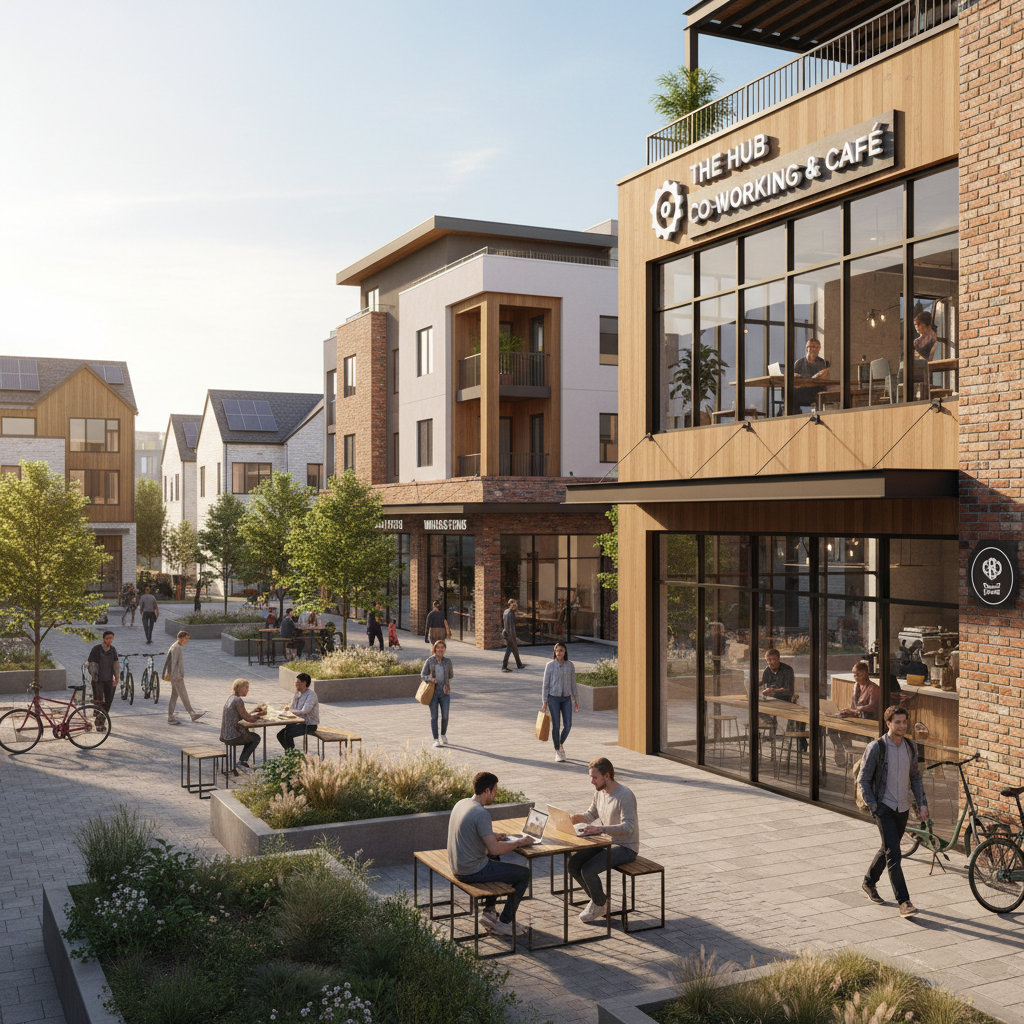
These new suburbs are alive with micro-breweries, co-working lounges, walkable plazas, and local farmer markets. Developers and municipalities are working together to meet demand for mixed-use communities that provide both space and culture—something that’s hard to achieve in denser metros.
What’s striking is how this shift is redefining real estate priorities. Where once square footage and yard size dominated buyer considerations, now it’s about connectivity—both digital and physical—and community amenities. The real estate gold is no longer confined to downtown cores.
Immigration and International Buyers Rewriting Demand Curves
Canada’s strong immigration policy continues to play a pivotal role in shaping real estate demand. With over 500,000 new permanent residents projected to arrive annually by mid-decade, housing pressure is spilling into both large and mid-tier markets.
In 2025, cities like Winnipeg, Charlottetown, and Kitchener are seeing renewed interest among newcomers looking for stability and affordability. Developers are racing to construct affordable high-density housing to cater to this growing wave, yet demand continues to outpace supply in many regions.
At the same time, foreign interest in Canadian real estate is resurging—albeit in a more regulated form. Buyers from East Asia, the Middle East, and parts of Europe are focusing on luxury urban apartments and recreational properties in regions like Muskoka and Whistler. However, government policies—like the extended ban on foreign non-resident homebuyers—are actively reshaping how and where this capital flows.
Climate and Construction: Building for Resilience in 2025
Climate resilience has become a defining concern in Canada’s real estate planning. Wildfire seasons, flooding in coastal areas, and extreme weather patterns have prompted stricter building codes and green certification standards in many provinces.
In British Columbia, new regulations now require climate-risk disclosures in real estate transactions. In Atlantic Canada, builders are turning to elevated homes and storm-resistant materials to protect coastal investments.
But perhaps most transformative is the way climate-conscious design is becoming a marketing advantage. Properties that feature solar integration, energy-efficient insulation, and green rooftops are not just better for the environment—they’re commanding higher prices and lower days on market.
Investors Pivot Strategies Amid Market Uncertainty
Real estate investors, once focused almost exclusively on appreciation and long-term rental yield, are adjusting to new realities. The increased cost of capital, uncertain economic signals, and stricter tenant rights laws have prompted many to diversify their portfolios.
In 2025, short-term rentals, student housing, and co-ownership models are gaining traction among investment firms and individual buyers alike. While high-interest rates have slowed some speculative activity, savvy investors are finding opportunities in places overlooked just a few years ago—Northern Ontario, Prairie towns, and revitalized downtowns in post-industrial cities.
There’s also an increasing emphasis on “purpose-built rentals”—multi-unit buildings designed explicitly for renting, rather than as condos converted into lease units. This strategy is helping to address housing shortages while ensuring a steadier income stream for landlords.
The Psychological Shift: From Aspirational to Attainable
Perhaps the most subtle, yet powerful, trend shaping Canada’s 2025 housing market is psychological. Owning a detached home in a city like Toronto or Vancouver was once an aspirational benchmark for middle-class success. But today, Canadians are rethinking what “home” means.
Younger generations faced with economic instability, climate anxieties, and rapid social change are prioritizing flexibility, sustainability, and quality of life over conventional ownership metrics. Renting is no longer viewed as a financial failure; shared ownership is considered pragmatic; and location preferences are tied more to lifestyle than status.
In short, 2025 is the year Canadians are letting go of outdated housing ideals and embracing new forms of living ones that match their evolving values and economic realities.