- calendar_today August 24, 2025
Canada’s apparel and textile industry is seeing a tide of uncertainty in 2025 with declining global cotton output and growing fears of alterations to trade advantages such as the Generalized System of Preferences Plus (GSP+). Although Canada does not produce cotton domestically, its businesses rely heavily on imported cotton for manufacturing apparel, home textiles, and other household items.
Now that cotton is more costly and in shorter supply, numerous Canadian companies are in trouble. Meanwhile, potential trade rule changes can result in increased import costs, creating further concern for both manufacturers and consumers.
The Impact of Cotton Shortages
Cotton is perhaps one of the most commonly used products in Canada’s clothing and textile industry. Whether to produce t-shirts, socks, bedsheets, or children’s wear, cotton is at the center of it all. But the world’s production of cotton has suffered a setback in recent times. Weather conditions have been extreme, along with droughts and agricultural interference in key cotton-producing nations, leading to a decrease in the supply of cotton.
Consequently, the price of raw cotton has skyrocketed. Canadian textile companies that obtain their cotton from imports are currently paying more to receive the same material they previously purchased at lower rates. Some even stop shipments and cancel orders because of the current shortages.
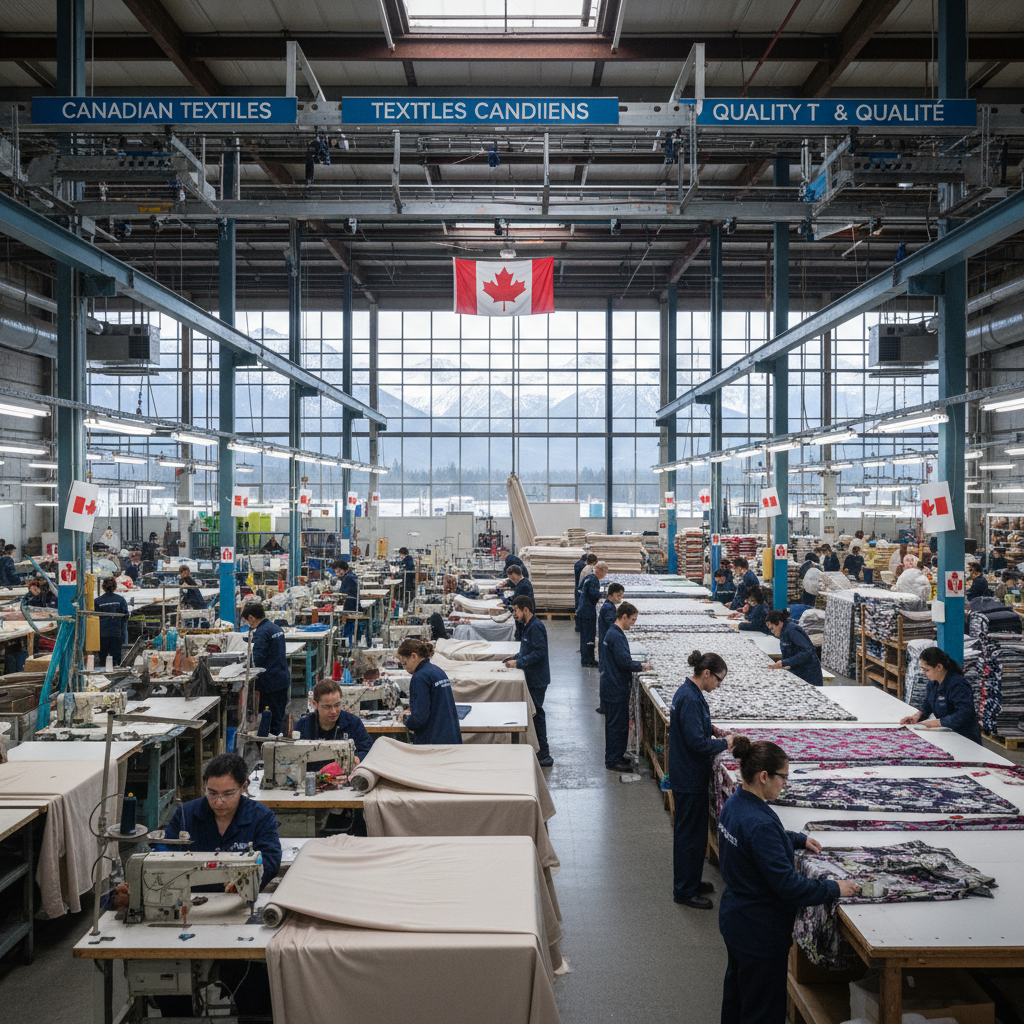
This is having a ripple effect throughout the supply chain. Textile producers in provinces such as Ontario, Quebec, and British Columbia are finding it difficult to keep their production levels up. Many are having to raise their prices or use substitute materials, which are not always the best choice in terms of quality or customer demand.
Trade Program Uncertainty: GSP+ at Risk
In addition to the cotton shortage, Canadian companies are also monitoring activity surrounding global trade initiatives such as GSP+. GSP+ permits Canada to bring in specific commodities from developing nations at lower or zero tariffs, which keeps the cost for companies and consumers low.
Yet, as nations experience economic and political transformation, some of them no longer meet the eligibility for GSP+ status. In that eventuality, it would translate into increased tariffs on cotton fabric and ready-made garment imports from such countries. This would add to the costs for Canadian manufacturers who already pay high prices as a result of cotton shortages.
For small and medium-sized apparel firms, loss of GSP+ trade advantages would be a major setback. Most of these firms already operate with thin profit margins and small budgets. Extra costs for imports could cause them to downsize production, lay off employees, or increase prices to Canadian consumers.
Retailers and Consumers Also Impacted
The effect of these challenges is being felt outside of factories and warehouses. Retailers in Canada are also under pressure. They are receiving higher prices from suppliers and have to determine whether to increase those costs to customers or swallow them.
A small boutique owner in Toronto recently said, “We’ve had to rethink our entire spring and summer collection. Cotton prices are too high, and we’re not sure if our usual suppliers will be able to deliver on time.”
For consumers, this translates to increased costs on apparel, towels, bed linens, and other cotton products. Budget-conscious families will have to pay more for essentials, and that can have a detrimental effect on consumer confidence and expenditures overall.
How Businesses Are Adapting
Some Canadian businesses are trying to adapt to this new reality by exploring other fabric options like bamboo, hemp, or recycled materials. Others are looking to diversify their supplier base or bring production closer to home to avoid shipping and import-related delays.
Technology is assisting as well. With improved demand forecasting tools and global cotton trend tracking, some businesses are ordering more intelligently, ordering ahead of time, or shifting their inventory to minimize waste.
Also, some firms are beginning to invest in domestic manufacturing in order to slow down their reliance on international supply chains. Although it is more costly in the short run, it might be more stable if cotton shortages and trade issues persist in the future.
Looking Ahead
The coming months will be pivotal for Canada’s garment industry. If cotton production does not pick up and trade initiatives such as GSP+ are reduced, additional companies could be in dire financial trouble. A few will close their doors, but others will be compelled to reconsider their business model altogether.
But with intelligent planning, innovation, and government assistance, there is hope that the industry can make the transition. Canada’s textile industry has a century-old history of accommodating changes in world markets. Now, it is about to experience one of its greatest challenges ever.
Conclusion
Canada’s textile business is experiencing a rough year in 2025. Decreasing cotton stocks and unclear trade initiatives are complicating it for companies to run. Starting from manufacturers to retailers to shoppers, everybody is catching the pangs. But with emphasis on resilience and future-proofing measures, Canada could discover new means of maintaining its textile sector robust—even in a difficult worldwide context.