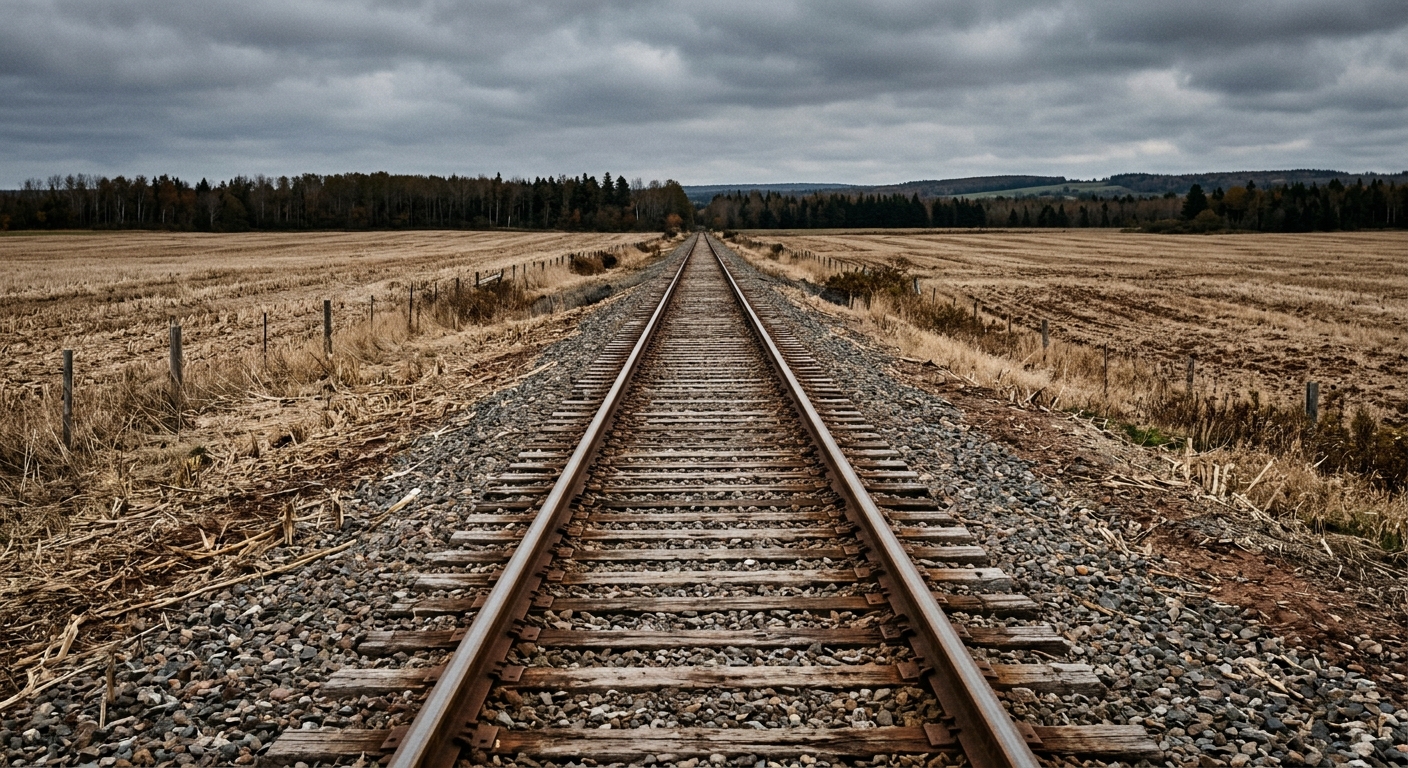
AI-generated illustration; not a photograph of the reported event.
- calendar_today October 10, 2026
Alto Rail Project Moves Forward Despite Parti Québécois Opposition
The Crown corporation overseeing the proposed Alto high-speed rail line, which would connect Toronto to Quebec City with stops in Peterborough, Ottawa, Montreal, Laval, and Trois-Rivières, is pressing ahead with its plans. This decision comes in the wake of public opposition from Quebec's recently elected Parti Québécois (PQ) government.
PQ's Election Platform and Concerns Over Funding
During the election campaign, the Parti Québécois stated it would withdraw Quebec's support from the Alto rail project if elected, arguing that public funds would be better spent upgrading the province's existing infrastructure. PQ Leader Paul St-Pierre Plamondon has said that investments should prioritize Quebec's hospitals, roads, and public transit rather than new rail initiatives. He further emphasized that the high-speed rail between Quebec City and Toronto is not among the chief concerns for Quebecers at present.
A recent report from the Parliamentary Budget Office has estimated the Alto high-speed rail project could cost between $75 billion and $113 billion, reports which are significantly higher than earlier estimates. St-Pierre Plamondon has argued that, with such sums available, high-speed rail should not be prioritized over more pressing infrastructure needs in the province.
Alto Corporation Responds: Emphasis on Project Continuity
At a public meeting on Wednesday, Alto maintained its commitment to advancing the project, projecting a total timeline of about 15 years from start to completion. The organization aims to break ground in 2029. J. Robert S. Prichard, Alto’s chair of the board of directors, stated that managing government relations falls beyond the company's remit: "Our job is to laser focus on preparation and being ready to deliver this project on time, consistent with the budget, consistent with the expectations of our mandate. That’s the job we have."
Alto has also stated it intends to avoid dividing communities or severing major highways, planning to build overpasses and underpasses as necessary.
Federal Government's Position and Political Viability of the Project
The office of federal Transport Minister Steven MacKinnon reaffirmed support for the project, calling Alto "a project of exceptional scale" that will "benefit Quebecers for generations to come" and transform travel between major centres in Quebec and Ontario. The office stressed the value of cooperative federalism and expressed a willingness to work with the Quebec government.
Despite this, André Lecours, a University of Ottawa professor specializing in political studies, questioned the project's viability in the absence of provincial support. Lecours suggested the federal government would likely avoid pushing forward against the PQ’s wishes and doubted that opposition parties would prioritize advocating for the rail project.
The Conservative Party of Quebec, now holding a record 19 seats in the National Assembly, has also voiced opposition to the proposed rail line.
Concerns Over Agricultural Impact
The project has also faced criticism from the agricultural sector. Jérémie Letellier, president of the Fédération de l'UPA de la Montérégie, described the proposed route as potentially "catastrophic for farming communities in Ontario and Quebec." Letellier stated that compensation would not sufficiently cover the negative impacts on farming operations, adding, "We will do whatever we can to stop this project. There's nothing good for farmers in this."
Alto CEO Martin Imbleau responded to these concerns during the public meeting, emphasizing that the company would not disrupt numbered highways and that a more defined route for the Ottawa-Montreal segment will be shared in the fall. Construction for the project's first segment remains scheduled for 2029.
Source: cbc.ca.