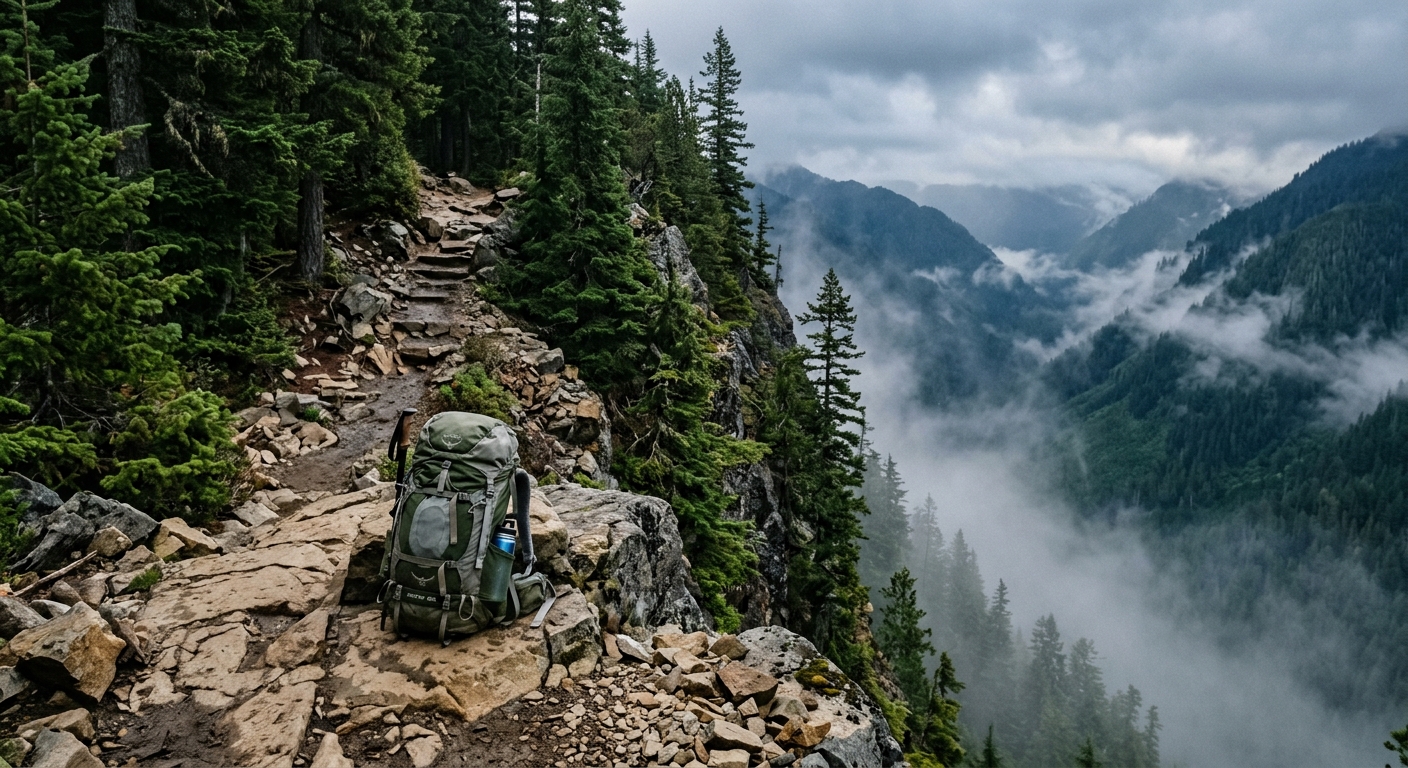
AI-generated illustration; not a photograph of the reported event.
- calendar_today October 9, 2026
B.C. Teen Airlifted From Dangerous Mountain Route
Bryce Gowryluk, a 16-year-old experienced hiker from Vancouver, was dramatically rescued by helicopter from Crown Mountain on Saturday after accidentally taking a notoriously risky path known as the "Widowmaker" climbing route. The incident, which took place north of Vancouver, quickly garnered global attention and sparked discussion over the role of artificial intelligence (AI) in outdoor adventure planning.
The Rescue on Crown Mountain
The rescue unfolded after North Shore Rescue, a volunteer mountain rescue organization, responded to a call regarding a stranded hiker on Crown Mountain. The organization later confirmed they found Gowryluk at the base of the final, vertical wall on the dangerous Widowmaker route. A rescue technician was lowered down by helicopter, secured Gowryluk, and moved him to a safer extraction point before airlifting him to safety.
Photos from the rescue were shared by North Shore Rescue on social media, and a rescuer’s remark that the teen had used an AI chatbot to plan his hike caused the story to go viral.
AI and Hiking: What Really Happened?
While reports circulated that an AI chatbot may have led him astray, Gowryluk disputes the narrative. He explained that while planning his Crown Mountain hike—a journey he anticipated would take about eight hours—he used a mix of digital resources, including AllTrails, Google Maps, and the AI chatbot Claude. However, he states that Claude was used primarily to help prepare his packing list, not to chart his actual route.
Gowryluk maintains that the decisive navigation error occurred when he mistakenly took the unmarked Widowmaker Arete. He said the beginning of the trail provided no warnings and appeared manageable, only becoming perilously steep and smooth as he advanced. Realizing he could not safely descend, he climbed to a ledge and called his mother for help.
Emergency Response and Aftermath
Joelle Gowryluk, Bryce’s mother, described her son as calm but acknowledged that he recognized he was in a dangerous predicament. She also noted Bryce’s background as an air cadet with outdoor survival training and as a certified belayer, which reassured her during his ordeal.
Paul Markey, North Shore Rescue search manager, described Gowryluk as adventurous and clarified that regardless of whether AI advice played a role, the challenge was caused by undertaking an advanced alpine scramble without proper equipment. He emphasized the need for caution, especially with new technologies involved in route planning, urging hikers not to "blindly follow" AI-generated advice.
Context: AI in Outdoor Navigation
The incident is part of a growing trend where AI and chatbots are used in outdoor planning, sometimes with mixed results. In a recent example, a kayaker on B.C.'s south coast relied on AI for weather information before capsizing, prompting maritime authorities to warn against such use. North Shore Rescue said this was their first rescue potentially linked to AI advice, but they anticipate more as technology usage increases. The case has fueled an ongoing conversation about mountain safety, navigation errors, and reliance on digital tools.
Looking Ahead: Lessons and Warnings
After his rescue, Bryce Gowryluk returned home shaken but undeterred, with his mother continuing to encourage safe hiking—ideally with a companion and proper preparation. For his part, Bryce plans to return to the mountains soon. The episode underscores the importance of thorough outdoor survival training, skepticism in navigation, and practical mountain safety regardless of technological advances.
Source: cbc.ca.