- calendar_today September 1, 2026
The latest wave of auto industry negotiations in Canada National 2 has reached a critical stage as Unifor, the union representing autoworkers, enters final talks with the country’s Big Three automakers—Stellantis, Ford, and General Motors. With shifting production, recent layoffs, and severe U.S. trade barriers, the outcome of these discussions is set to reshape the Canadian auto landscape and reverberate throughout local communities.
Intense Negotiations Amid Major Layoffs
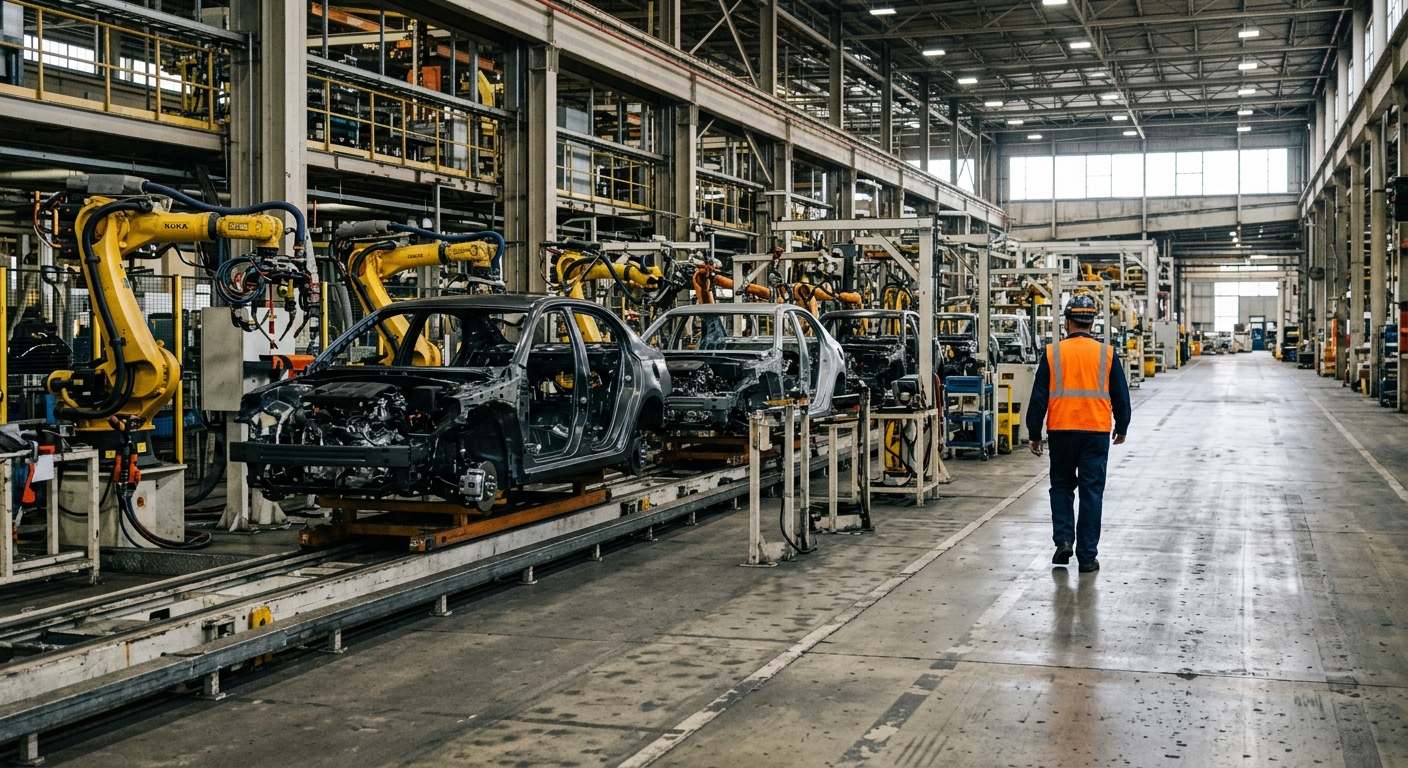
This round of unifor bargaining is marked by heightened urgency following Stellantis’ decision to idle its Brampton assembly facility. Over 2,000 jobs were cut after the announcement that Jeep Compass production, a staple at the Stellantis Brampton plant, would move south of the border. The closure not only violated the union’s collective agreements but also amplified anxiety for workers across the region.
Tariff Tensions Threaten Auto Sector Stability
At the heart of these negotiations is the growing threat from US tariffs. The United States currently imposes a 25% tariff on non-CUSMA-compliant vehicles, with the possibility of that figure doubling to 50%. These measures have intensified the pressure on the Canadian auto industry, straining profitability and raising questions about the long-term viability of certain manufacturing facilities in Canada National 2. Such escalations are fueling talk of a broader trade war that could affect supply chains, investment, and job stability for thousands across the nation.
Union Pushes for Job Security and Investment
In the current climate, securing job security remains a top priority for Unifor’s leadership. National President Lana Payne has been outspoken about the impact of corporate decisions on families reliant on manufacturing wages, especially in communities tied to large plants like Stellantis Brampton. The union is also advocating for robust commitments from automakers, not only in terms of wages but also long-term investments.
Stellantis CEO Trevor Longley has pointed to the company’s over $8 billion investment in its Canadian operations, reiterating the need for “sustainable relationships” as the sector navigates unprecedented transformation. Continued jeep production and potential future projects figure prominently in ongoing discussions with union representatives.
Setting Precedents with Pattern Bargaining
Industry observers are closely watching how agreements forged at Ford and General Motors will set the stage for the final outcome. Recent wage increases agreed to in ford gm contracts—mirroring each other in both structure and substance—signal the influence of pattern bargaining within the sector. The ratification of a three-year contract by GM workers has amplified expectations that Stellantis and other automakers will follow suit, creating a template for future negotiations across the Canadian auto industry.
Broader Economic and Political Implications
Labour experts note that Unifor is balancing not only contract demands but also a broader campaign urging the Canadian government to protect the sector from harmful trade deals and escalating tariffs. The union’s dual focus reflects a recognition that international pressures—such as the intensifying trade war—are now as critical as local corporate decision-making.
For stakeholders throughout Canada National 2, these auto industry negotiations are more than a test of wages or working conditions. They are about the sustainability of a sector that underpins local economies and provides livelihoods for tens of thousands of families. The resolution will have wide-ranging effects, informing strategy at institutions, supplier businesses, and educational initiatives supporting manufacturing skills in local communities.
Looking Ahead for Canada’s Auto Workers
As final talks unfold, workers and regional leaders await decisions that could influence the Canadian auto industry for years to come. Whether addressing the fallout from the Stellantis Brampton plant closure or preparing for future challenges posed by U.S. trade policy, the stakes of these negotiations in Canada National 2 are undeniably high. The outcome will help determine if Canada retains its influential role as a manufacturing powerhouse in North America or is forced into a period of uncertainty and change.