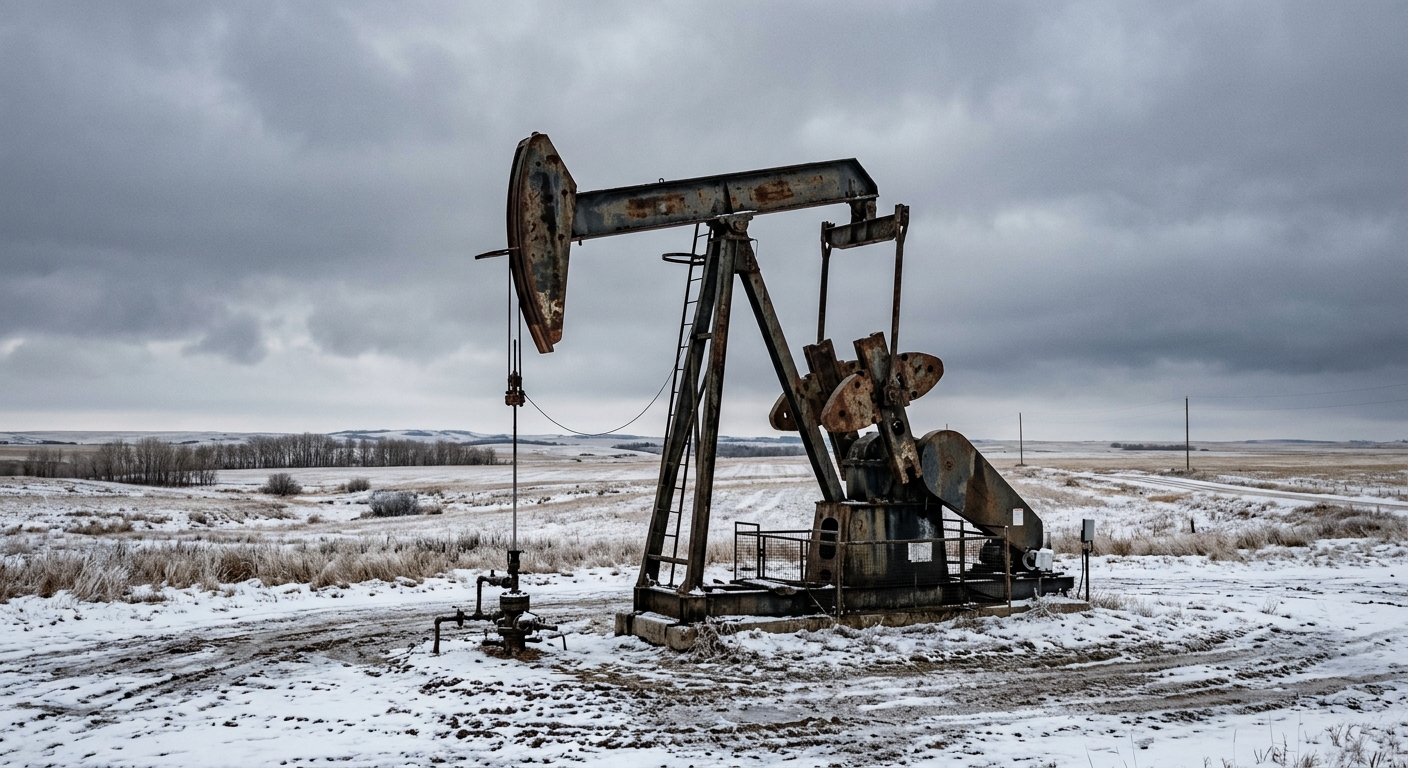
AI-generated illustration; not a photograph of the reported event.
- calendar_today October 12, 2026
Alberta's Shifting Economic Landscape
Alberta has established a reputation as Canada’s wealthiest province, thanks to its robust GDP per capita, abundant natural resources, and the absence of a provincial sales tax. However, this longstanding prosperity has not been universally felt among Albertans. Many express frustration with economic setbacks, particularly in relation to unstable oil prices, cancelled pipeline projects, and chronic unemployment rates.
Economic Frustration and the Separation Debate
Economic difficulties over the past decade have provided significant momentum to the ongoing Alberta separatism movement. A vote is scheduled this month to determine whether Alberta should pursue independence, reflecting this sense of discontent. According to Charles St-Arnaud, chief economist at Servus Credit Union, Alberta’s relative underperformance since the 2014 oil price crash has energized the debate and drawn new supporters.
Retired petroleum engineer Morad Rizkalla, who worked in Alberta’s energy sector for decades, points to cancelled pipelines as missed opportunities that have hindered both provincial and national growth. Rizkalla plans to vote in favor of directing Alberta to begin the process of holding a binding referendum on separation, hoping to send a message to Ottawa about issues such as equalization, political representation, and market access.
Impact of Oil Prices and Energy Sector Transformation
The collapse in oil prices in 2014 triggered a severe downturn, with Alberta entering recession in 2015 and 2016. While the province’s economy eventually recovered, its energy sector emerged changed: oil companies became more efficient, but fewer large projects were developed, curbing investment and job creation. Purchasing power for Albertans remains about 10 percent lower than in 2014, and average weekly earnings have struggled to keep pace with inflation.
The long-term effects of these changes are still being felt. Alberta’s unemployment rates have stayed above the national average since 2016, and economic headwinds have persisted despite positive developments such as oil reaching $100 US per barrel and new projects like the Pacific Link pipeline and LNG Canada Phase 2.
The Cost and Consequences of Separation
Amid the growing independence debate, questions remain about the financial implications of potential separation. The Alberta Transition Council (ATC) released an estimate of one-time transition costs at $5 billion, projecting an annual surplus for an independent Alberta of $22.2 to $32.1 billion. However, a University of Calgary School of Public Policy report commissioned by the provincial government forecasts far higher transition expenses: $50 billion to $170 billion over five years, with total debt possibly climbing to between $324.1 and $442.3 billion.
Adam Legge, president of the Business Council of Alberta, cautions that considerable uncertainty surrounds these estimates. He considers separation a risky gamble for residents, though he notes business leaders have not paused their decisions in response to the current debate.
Political Representation and Practical Realities
Separation would necessitate solutions for pensions, currency, banking, taxation, and trade. Alberta’s landlocked position complicates oil and gas market access. Martin Pelletier, senior portfolio manager at Trivest Wealth, acknowledges Alberta’s economic capacity to stand alone but highlights the significant challenges posed by geography and trade logistics.
Advocates like Dennis Kalma of the Alberta Transition Council argue that independence would yield economic benefits and could be managed through negotiation. Yet fundamental questions about sovereignty and practicalities—especially the cost—remain.
Comparisons to Past Political Movements
Observers have likened Alberta’s situation more to Brexit than Quebec’s 1995 referendum. St-Arnaud notes Alberta’s motivations are primarily economic and political, rather than cultural or linguistic. However, former British prime minister David Cameron, reflecting on his own experience with the Brexit vote, points out the complexities and risks of political separation.
Supporters of Alberta separatism, like lawyer Keith Wilson of Let Alberta Decide, reject the Brexit comparison, emphasizing that Alberta seeks closer ties with its primary market, the United States, rather than turning away from it.
Looking Ahead
For now, optimism in Alberta’s energy sector coexists with ongoing economic frustration and uncertainty about the possible outcomes of the independence vote. While business activity continues for the moment, the possibility of separation—and its significant economic impact—remains at the heart of Alberta’s current political debate.
Source: cbc.ca.