- calendar_today July 31, 2026
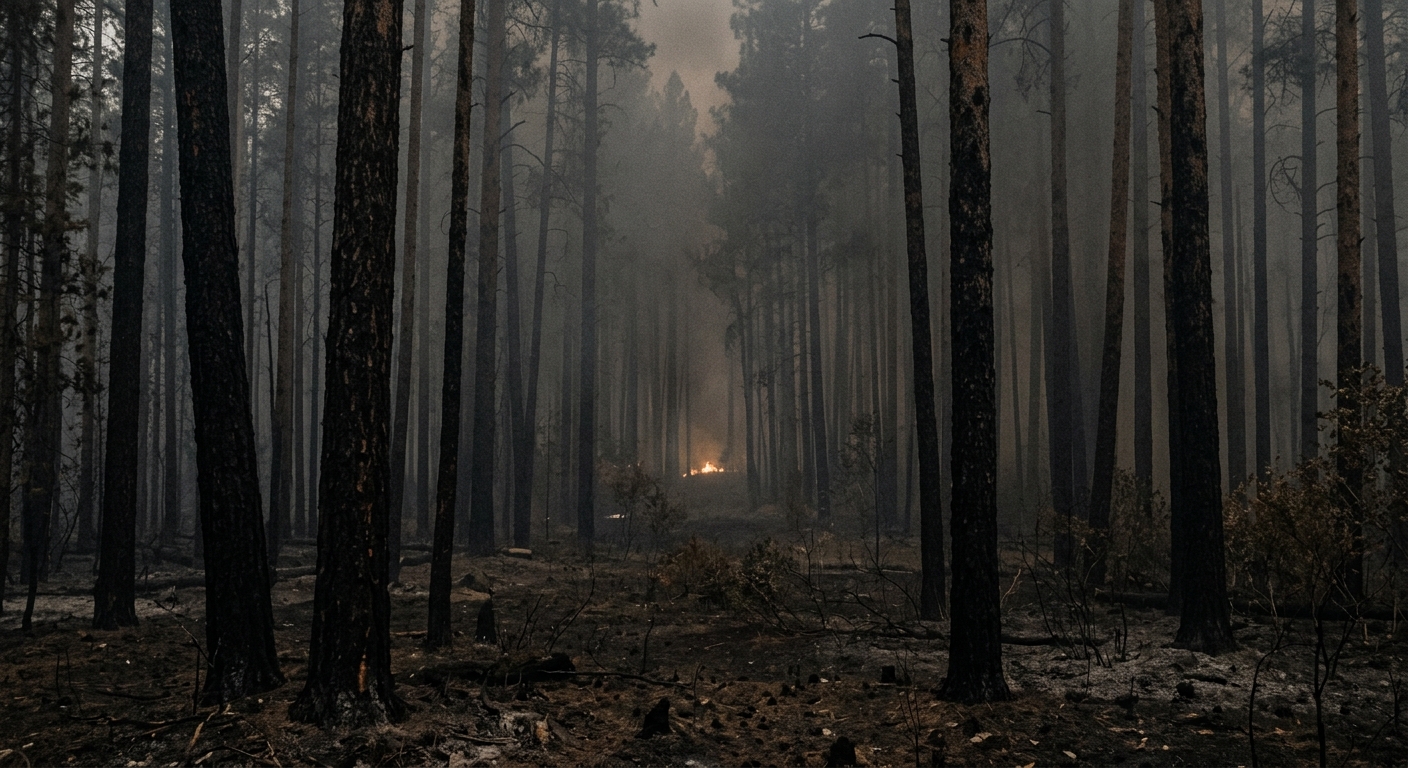
Residents in Canada National 2 continue to confront the extensive impact of the northwestern Ontario wildfires, as roughly 1,876 people remain evacuated from 14 communities due to over a hundred active blazes threatening the region.
Evacuation Efforts Persist as Fires Rage
The ongoing wildfire evacuation measures highlight the severity of the situation, with evacuation orders still in place for numerous communities. While six communities have been cleared to return home, thousands remain displaced as community evacuations are enforced in coordination with First Nations leaders, emergency teams, and government representatives. The Ministry of Natural Resources and Forestry (MNRF) reports 115 active wildfires in the region, including 22 not yet under control, amid predictions of continued hot and dry conditions.
Major Blazes Threaten Northern Communities
Among the most concerning incidents is the Thunder Bay 36 fire, now spanning nearly 314,000 hectares. Designated as the largest fire in northwestern Ontario, Thunder Bay 36 remains out of control and has prompted extended safety restrictions, including evacuation orders and implementation directives limiting travel and road access in proximity to the fire. Several communities have been placed under fire hazard warnings due to the potential for rapid fire expansion, compounding risks for both remaining residents and emergency personnel.
Resource Deployment Intensifies
Responding to the challenge, the province has significantly increased wildfire resources and logistical support. Over 100 contracted aircraft, supplementary fire crews, and emergency management staff have been deployed to bolster wildfire response efforts. The government has committed more than $650 million for new equipment, additional personnel, and modernized technology aimed at improving future fire emergency management and enhancing the region’s resilience against wildfires.
Highway Closures and Community Impact
Key highways serving affected areas remain closed due to ongoing fire activity, with highway closures reported along several critical routes in Canada National 2. The disruption has extended to vital services, with mail delivery suspended in certain communities as a safety precaution. These closures further complicate efforts to distribute fire assistance—including food, water, and essential supplies—to the hundreds of evacuees now scattered across various safe zones.
Continued Threats and New Outbreaks
In addition to the western blazes, the northeast sector of Ontario has seen the confirmation of five new fires, increasing the total number of active fires there to 42. With escalating fire hazard warnings in place, the situation remains highly fluid across both western and northeastern zones. Ongoing heat advisories further elevate fire risks and challenge containment efforts.
Collaboration and Calls for Review
The crisis has led to a surge in interagency cooperation, including over 100 coordinated calls between First Nations leaders, local partners, and multiple levels of government. This teamwork has facilitated the distribution of essential fire assistance and supplies to communities under evacuation. Meanwhile, residents and local officials have demanded public inquiries into the government’s wildfire response to ensure future improvements in emergency protocol and overall preparedness.
Public Safety and Preventive Measures
The city of Thunder Bay, while easing some emergency orders, has moved to a heightened monitoring phase and continues to urge all residents to employ FireSmart practices in their homes and neighborhoods. These proactive steps are part of a broader strategy to reduce wildfire risks in both rural and urban settings throughout Canada National 2, reinforcing the importance of community-wide participation in fire emergency management.
Looking Ahead
As the northwestern Ontario wildfires remain a pressing threat, authorities reiterate the importance of adhering to official guidance on wildfire evacuation and travel restrictions. Efforts are ongoing to return evacuees safely while minimizing property loss and protecting vulnerable populations. With changing weather patterns and the continued deployment of extensive wildfire resources, the resilience and adaptability of communities across the region will be crucial in the weeks ahead.