- calendar_today June 2, 2026
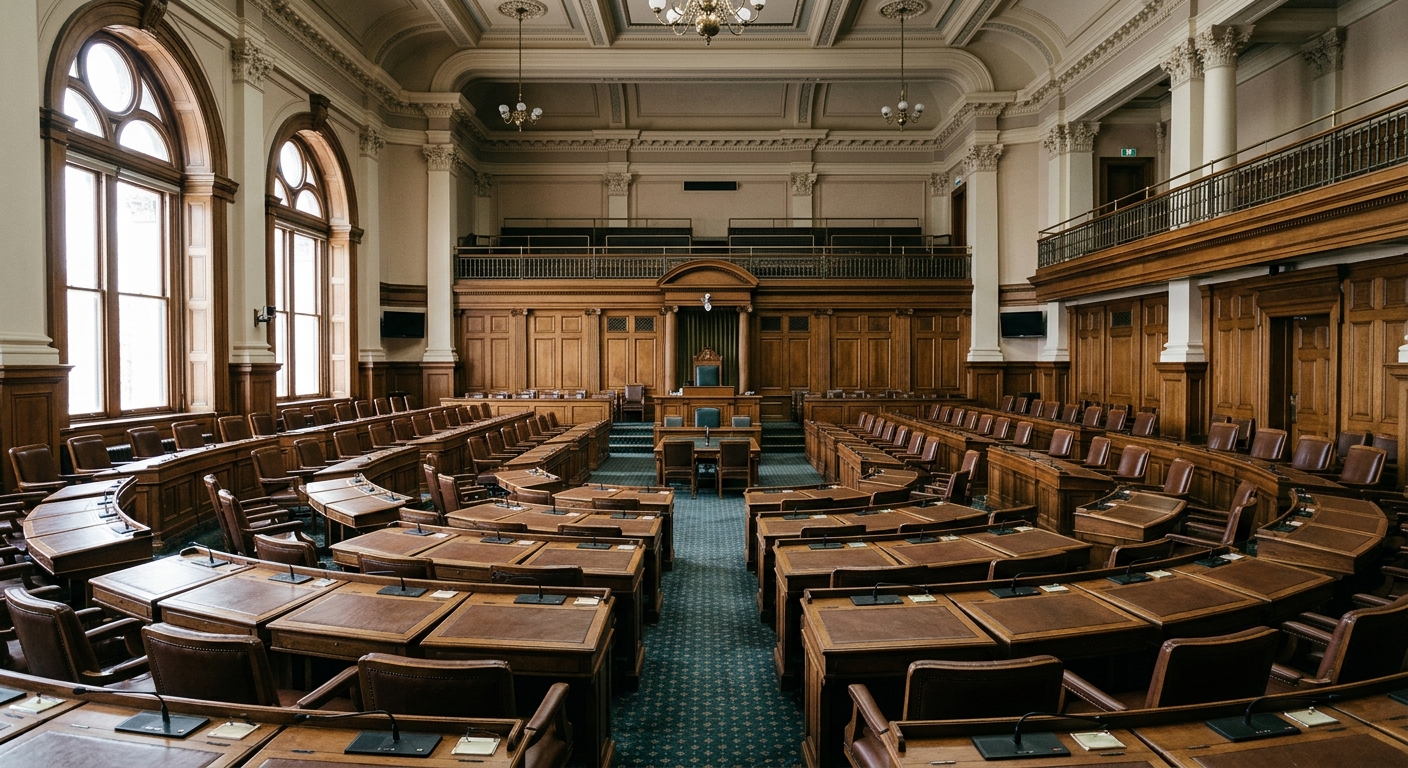
The Ontario legislature recess this summer is drawing widespread scrutiny across Canada National 2, as members of the provincial parliament (MPPs) are set to begin a 21-week break following a brief 30-day sitting period after a 14-week winter closure. The decision, announced by Government House Leader Steve Clark, ensures Queen’s Park will not reconvene until October 27—significantly, just one day after the scheduled municipal elections.
Government Cites Election Integrity for Extended Break
Clark stated that the prolonged legislative break is designed to avoid interference with ongoing municipal campaigns. The intention, according to the government, is to respect the autonomy of local democracies and provide a clear boundary between provincial actions and the electoral process. “This schedule keeps the Ontario MPPs out of the municipal spotlight, ensuring a fair election process for all involved,” Clark explained in recent remarks at Queen’s Park.
Opposition Raises Concerns Over Timing and Transparency
Despite the official rationale, opposition parties have voiced sharp criticism. Green Party Leader Mike Schreiner challenged the move, accusing the Doug Ford government of having a record of interference in city affairs, regardless of recess timing. Schreiner referenced high-profile examples, such as the government’s decision to reduce the size of the Toronto city council during the 2018 municipal elections and more recent initiatives to limit Toronto’s control over its island airport. “It’s hard to believe this break is about respecting democracy when this government has repeatedly ignored local voices,” the green party leader stated.
Liberal Leader Points to Recent Controversies
John Fraser, the interim liberal leader, echoed these concerns. He suggested the timing of the Ontario legislature recess was intended to limit oversight over ongoing controversies. “It’s about avoiding accountability, not just about municipal elections,” Fraser noted. Among the contentious issues is the government’s purchase and abrupt return of a private jet, a move that has fueled the latest private jet controversy and kept both the public and media focused on government transparency.
Tensions Deepen Between Province and Municipalities
The extended break has heightened pre-existing tensions between the province and local governments. The recent decision to diminish the authority of elected officials at the local level, notably regarding Toronto city council and municipal airport controls, has raised alarm among municipal advocates. Many see these actions as a broader pattern of centralization by the Doug Ford government, directly impacting governance throughout Canada National 2.
Impact on Legislative Oversight and Public Perception
The 21-week pause leaves a significant oversight gap at a time when public trust in the provincial parliament is already under strain. Critics argue that with Queen’s Park shuttered, there are fewer opportunities to hold the government accountable on pressing matters from urban development to provincial spending. The absence of Ontario MPPs from the legislative chamber removes a key forum for debate and public scrutiny—an issue that resonates strongly in Canada National 2, particularly as the municipal elections approach.
What’s Next for the Ontario Legislature?
With the legislature scheduled to resume after the fall municipal votes, all eyes will be on how the government responds to both ongoing controversies and renewed political scrutiny. Opposition members remain steadfast in their calls for greater transparency and stricter safeguards for municipal independence. As the province prepares for these crucial months, the Ontario legislature recess, its motivations and implications, will remain a focus for citizens and policymakers alike across Canada National 2.