- calendar_today April 11, 2026
The Future of Cross-Cultural Education: Trends to Watch
As we step into an increasingly interconnected world, the realm of education isn’t just evolving; it’s transforming into something extraordinarily dynamic. Cross-cultural education is at the forefront of this revolution, promising experiences that are not only diverse but deeply enriching. What’s next for this vital aspect of learning? Get ready for a deep dive into the trends that will redefine cross-cultural education and how they’ll impact students around the globe.
Understanding Cross-Cultural Education
Before we explore emerging trends, let’s clarify what cross-cultural education entails. At its core, it’s all about providing students with the skills and experiences necessary to navigate and appreciate the intricate mosaic of cultures in our world. This type of education promotes not only academic growth but also emotional intelligence through exposure to different perspectives and practices.
Why It Matters
Cross-cultural education isn’t just beneficial for students planning to work in global environments. It also fosters empathy, enhances critical thinking, and prepares students for active citizenship in an increasingly globalized society. Educators face the challenge of making learning relevant not just in theory but in real-world contexts, and as technology advances, they must leverage these resources to provide enriched educational experiences.
Trend #1: The Rise of Virtual Exchange Programs
Virtual exchange programs are gaining traction as the travel barriers created by the global pandemic begin to wane. These programs allow students to connect with peers from various countries and participate in collaborative projects, discussions, or cultural activities online. A 2022 study showed that 83% of educators believe that virtual exchange significantly enhances students’ understanding of different cultures.
Why Virtual Exchanges Work
One key factor is accessibility. Students who might not have had the financial means to study abroad can engage in cross-cultural dialogues and collaborative projects. For instance, imagine a student in Brazil working on a climate project with peers in Sweden. They could discuss and create solutions that incorporate each culture’s unique perspectives and resources, making learning immediate and relevant.
Trend #2: Integrating Technology and AI
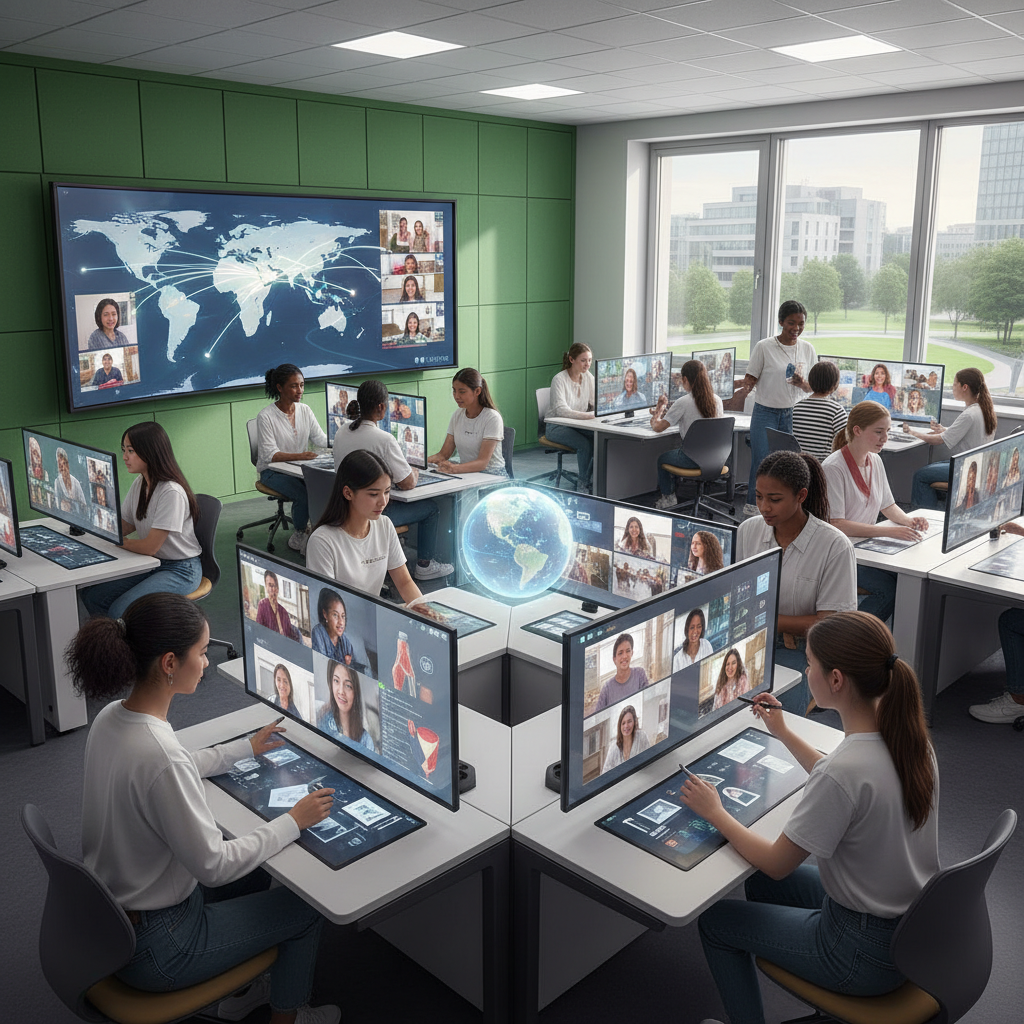
If there’s one thing the past few years have taught us, it’s that technology is indispensable. From augmented reality (AR) to artificial intelligence (AI), these tools are reshaping how students interact with different cultures. TAIE International Institute is at the forefront, actively integrating innovative technology to enhance cross-cultural learning experiences.
How Tech Enhances Learning
Imagine using AR to take a virtual tour of ancient civilizations or employing AI-driven platforms that offer personalized learning pathways for global studies. AI can facilitate language translation, making it easier for students to communicate with peers across the globe. Furthermore, gamification of cultural lessons keeps students engaged while learning about customs, traditions, and social norms.
Trend #3: Emphasis on Cultural Competency
Cultural competency is no longer an optional add-on to curricula; it’s a crucial requirement. Schools and institutions are recognizing that understanding cultural nuances can significantly enhance collaboration and empathy among students. With increasing multicultural classrooms, this trend will shape how educational institutions approach teaching and learning.
Implementing Cultural Competency
Educators are rethinking curricula to include cultural competency training. This may involve workshops, real-world scenarios, or interactive sessions that encourage students to engage with cultural differences. A survey by the Intercultural Competence Research Network reported a 72% increase in student engagement when cultural competency was integrated into their learning environments.
Trend #4: Project-Based Learning with Global Teams
The future of education lies in experiential learning, particularly in project-based formats. Cross-cultural teams can work together on real-world projects that require a blending of skills and cultural perspectives. This hands-on approach not only fosters teamwork but also encourages innovation and critical thinking.
Benefits of Collaborative Projects
When students from different cultures collaborate, they are exposed to various ideas and solutions. This type of engagement allows them to build soft skills like leadership and adaptability while also enhancing their academic knowledge. For instance, a collaborative project on sustainable practices between students in Pakistan and Canada could yield groundbreaking ideas tailored to both environments.
Trend #5: Customizable Learning Experiences
With the rise of personalized education, the cross-cultural education space is not far behind. Institutions are increasingly adopting flexible curricula that allow students to engage deeply in subjects that intrigue them. By offering choice within their educational journey, students can tailor their learning experiences to match their interests and career goals.
Adapting to Individual Needs
This trend emphasizes student agency and accountability. For example, if a student is passionate about arts in different cultures, they can choose projects that explore this theme across various regions. The ability to delve deeply into subjects of personal interest while considering cultural perspectives fosters a richer learning experience.
Conclusion: Preparing for the New Normal
The future of cross-cultural education is undeniably exciting, marked by a blend of technology, personalized experiences, and a renewed focus on cultural competency. As these trends unfold, educational institutions like TAIE International Institute will play a crucial role in preparing students for a diverse world. What will your next steps be in embracing the shift? Are you ready to adapt and thrive in this ever-evolving educational landscape?