- calendar_today August 14, 2025
As 2025 unfolds, Canada’s real estate sector is recalibrating amid stabilized interest rates and continued affordability pressures. The Bank of Canada’s pause on rate hikes has created space for investors to refocus—but caution remains. Instead of quick returns, the spotlight is now on sustainable cash flow, regional migration patterns, and properties aligned with long-term demographic and policy shifts.
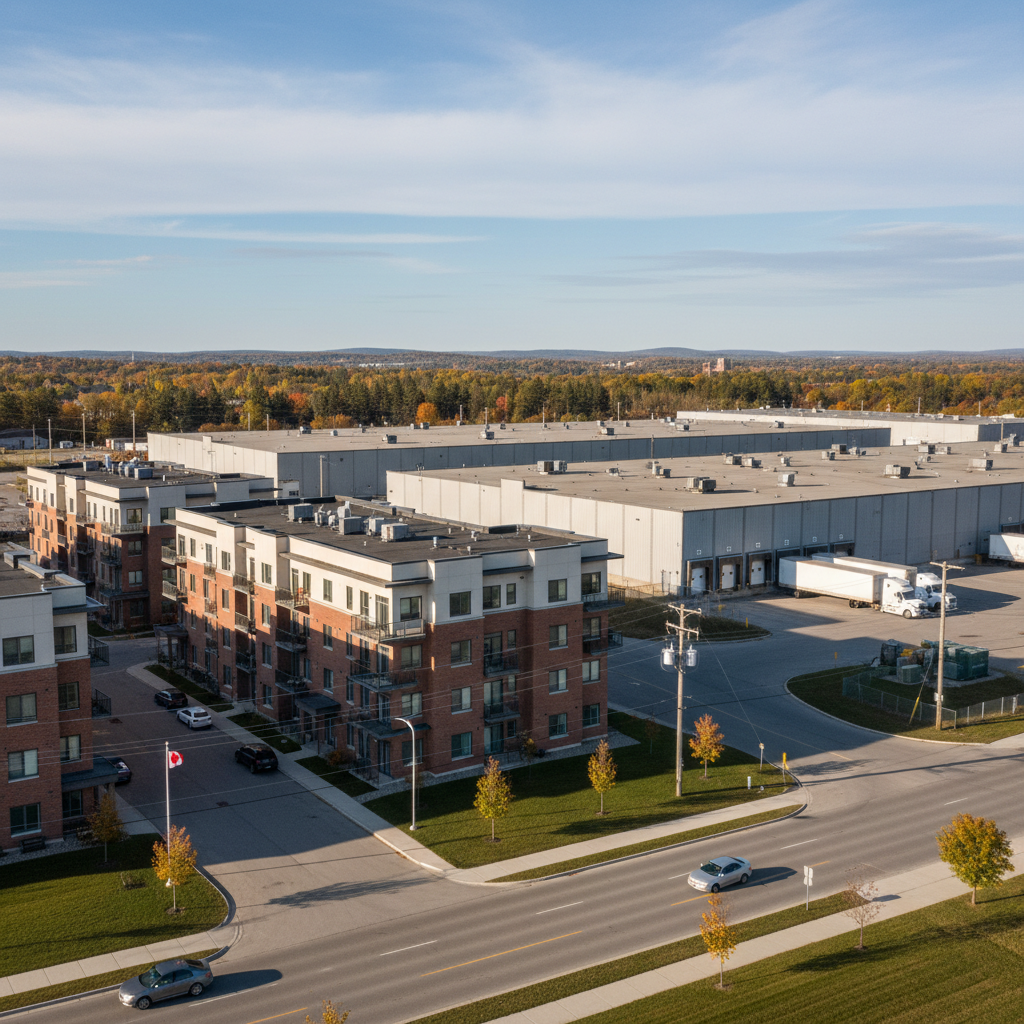
From Ontario’s fast-growing suburbs to B.C.’s industrial corridors, seven property categories are emerging as clear frontrunners in the post-pandemic market cycle.
1. Multifamily Rentals: Strong Demand, Tight Supply
Across Canadian cities, multifamily housing continues to provide the most reliable returns. Elevated mortgage costs and tight housing supply are keeping renters in place longer, particularly in high-density markets like Toronto, Vancouver, Calgary, and Ottawa.
According to CMHC’s 2025 figures, national vacancy rates remain below 2%, while rents are climbing steadily, with major metros seeing annual growth above 6%. Purpose-built rentals and mid-rise developments are booming—especially in regions welcoming newcomers and international students. With long-term tenancy and minimal vacancy risk, this asset class remains a foundational play for both institutional and private investors.
2. Industrial Real Estate: The Logistics Boom Continues
Canada’s industrial sector remains one of the most dynamic corners of the property market. Fuelled by e-commerce expansion, reshoring of supply chains, and a surge in domestic manufacturing, warehousing and logistics spaces are in high demand from Vancouver to Montreal.
CBRE’s latest report shows national vacancy below 2.5%, with lease rates climbing as much as 9% in high-traffic hubs like the GTA and Calgary. Cold storage, last-mile delivery facilities, and automation-ready warehouses are especially prized. Industrial REITs and private equity firms are doubling down, citing long lease terms and limited new inventory as strong tailwinds.
3. Suburban Single-Family Rentals (SFRs): A Quiet Growth Engine
With many Canadians priced out of ownership, single-family rentals in suburban markets are gaining ground as a dependable investment niche. Areas just outside major cities—such as Barrie, Gatineau, Langley, and Kitchener-Waterloo—are attracting working families looking for space without a mortgage.
SFR portfolios are expanding across Ontario, Quebec, and Alberta, driven by strong tenant retention and lower unit-level turnover compared to high-rise rentals. These properties also benefit from rising land values and a growing appetite for low-density housing—especially near schools, transit, and regional job centres.
4. Population Shifts: Secondary Cities in the Spotlight
Canada’s internal migration patterns are reshaping real estate opportunities. While Toronto and Vancouver remain anchors of economic activity, affordability and lifestyle are pushing residents toward more accessible cities such as Moncton, London (ON), Nanaimo, and Saskatoon.
These secondary markets offer lower entry costs, stronger cap rates, and increasing demand from remote workers and young families. Municipal incentives and infrastructure upgrades are boosting their appeal for developers eyeing new-build townhomes and multi-use residential projects.
5. Downtown Revivals & Mixed-Use Urban Hubs
After a few challenging years, Canadian downtowns are staging a gradual comeback. Mixed-use developments—blending residential units with retail, coworking spaces, and cultural amenities—are rising again in cities like Edmonton, Halifax, and Victoria.
Transit-oriented developments (TODs) are receiving provincial and federal backing, with urban planners focusing on sustainability and walkability. While zoning red tape remains a challenge in some cities, demand is rising among young professionals, downsizing retirees, and students seeking car-optional lifestyles.
6. Niche Markets: Seniors and Students Fueling New Demand
Canada’s aging population is driving a steady rise in senior living demand—particularly for independent living and assisted care in Ontario, Alberta, and the Maritimes. In Q1 2025, NIC Canada reported occupancy rates nearing 86%, reflecting rising demand across urban and suburban nodes.
Student housing, too, is thriving. Purpose-built rentals near universities in Waterloo, Kingston, Halifax, and Victoria are seeing pre-leasing rates upwards of 90%. Today’s students expect fully furnished units, digital connectivity, and communal amenities—prompting a modernization wave in university-adjacent real estate.
7. Key Risks: Policy Shifts and Environmental Pressures
While 2025 offers compelling opportunities, the Canadian real estate landscape is not without its headwinds. In provinces like British Columbia and Nova Scotia, wildfire and flood risks are pushing insurance premiums upward. Meanwhile, aging infrastructure—especially in parts of Quebec and Atlantic Canada—can pose hidden renovation costs.
Policy changes remain another wild card. Rent control regulations, zoning restrictions, and taxes on foreign ownership in markets like Ontario and B.C. can affect margins and timelines. Construction inputs are still costly, and even stabilized interest rates haven’t made financing as accessible as before 2022.
Expert Views: Where Analysts Are Focusing
“Multifamily and industrial properties continue to outperform, but hyper-local knowledge is more important than ever,” says Lauren Bellingham, senior economist at CBRE Canada. “From Halifax to Calgary, each city operates under its own policy and market dynamics.”
Redfin’s 2025 Canada Real Estate Outlook echoes the importance of migration trends, employment hubs, and affordability. Their analysis suggests focusing on properties that align with structural, not cyclical, change—such as population growth and green infrastructure.
Building a Resilient Investment Strategy for 2025
In 2025, Canada’s top real estate investors are focusing on diversification and regional intelligence. Multifamily remains a bedrock asset across major cities and growth corridors. Industrial real estate continues to benefit from supply chain reform and domestic manufacturing. Suburban SFRs are quietly becoming a dependable alternative to urban apartments.
Meanwhile, mixed-use districts and specialized housing—especially for seniors and students—are expanding in response to Canada’s demographic and educational trends. The divergence between policy-friendly and regulation-heavy provinces is creating clear winners for those who invest with foresight and adaptability.