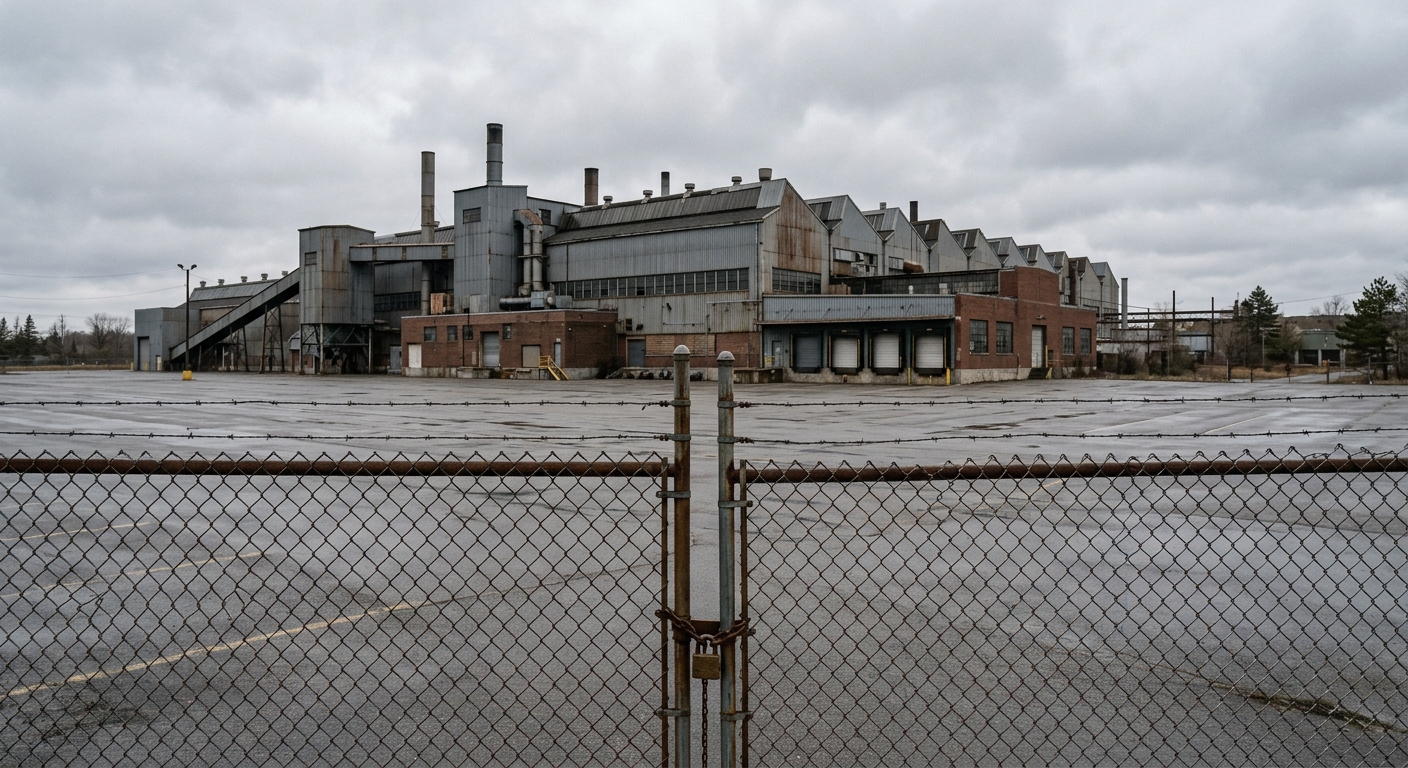
AI-generated illustration; not a photograph of the reported event.
- calendar_today September 17, 2026
The future of the Stellantis Brampton plant has become the center of a high-stakes dispute in Canada National 2, as union leaders push back against the auto giant’s announced plans to sell the longstanding facility. This decision has spurred major concerns among workers and industry observers, especially given the importance of auto manufacturing to the regional economy.
Union Opposition Mounts Over Sale Plans
Union opposition has grown since Stellantis announced its intention to offload the Brampton assembly plant. The facility, which stood idle since 2023 awaiting promised investment for Jeep Compass retooling, was expected to get a new lease on life with advanced manufacturing jobs. However, recent developments have shifted those expectations, raising alarms among the plant’s workforce and their union, Unifor.
New Memorandum Raises Questions
A roshel memorandum of understanding, signed between Stellantis and Roshel, an armored vehicle manufacturer, outlines a proposal for Roshel to acquire the Ontario facility. The plan presented by Roshel includes the production of ballistic steel and pledges to restore more than 2,000 jobs, reframing the plant’s role in the auto industry Canada landscape. Despite these assurances, Unifor has publicly questioned the transparency of the deal and is yet to initiate discussions with Roshel’s representatives.
Collective Bargaining and Job Security in Jeopardy
This uncertainty comes at a critical juncture for collective bargaining. Unifor, currently negotiating with Stellantis, warns that deteriorating trust and the possibility of a plant sale threaten to undermine ongoing collective bargaining efforts. The union maintains that without full transparency and input from all stakeholders, the risks to job security and workers’ rights will escalate. There is also concern about possible strike action if agreements fail to meet union standards.
Trade War Impact Looms Over Decision
Stellantis has pointed to current market trends and the wider trade war impact as significant factors influencing its reluctance to continue vehicle production at Brampton. The global auto sector’s volatility and trade uncertainties have pressured manufacturers like Stellantis to reassess their Canadian operations. Even as the automaker reaffirms commitments elsewhere in the country, the fate of the Stellantis Brampton plant remains a flashpoint for debate.
Worker Anxiety and Calls for Government Intervention
The ongoing saga has created considerable worker anxiety among the plant’s employees and their families. For many, the gap between management’s promises and their lived reality continues to widen. Observers suggest that the situation underlines the urgency for greater government involvement, particularly given the considerable government incentives previously offered to secure automaker investment. Local leaders in Canada National 2 have echoed these concerns, stressing the need to protect the regional labor force and manufacturing base.
Industry’s Role in Regional Stability
As the negotiations unfold, the uncertain future of the Brampton facility highlights broader questions about the resilience of the Canadian auto sector. Industry analysts say that how this conflict is resolved will have lasting implications for plant workers, potential investors, and the economic outlook for Canada National 2. With job security on the line and confidence shaken, stakeholders now await clarity on whether the Stellantis Brampton plant will spark renewal, or signal an unwelcome shift for the region’s industrial heart.