- calendar_today July 11, 2026
An increase in alpha-gal syndrome cases is raising concern across Canada National 2 as residents confront health risks linked to the lone star tick. The rare condition, characterized by an atypical allergic response to meat and dairy, is forcing both individuals and public health authorities to recognize and address new tick-borne threats.
Rare Condition Unveiled by Local Diagnosis
The story of Melissa Baines from Pictou County, Nova Scotia, has put a spotlight on alpha-gal syndrome in Canadian communities. Baines developed alarming symptoms including swollen joints, brain fog, and vomiting after ingesting milk. Her condition was initially mistaken for Lyme disease, but subsequent hospital tests confirmed it was, in fact, alpha-gal syndrome—a meat allergy initiated by the lone star tick’s bite.
The Connection Between Lone Star Tick and Meat Allergy
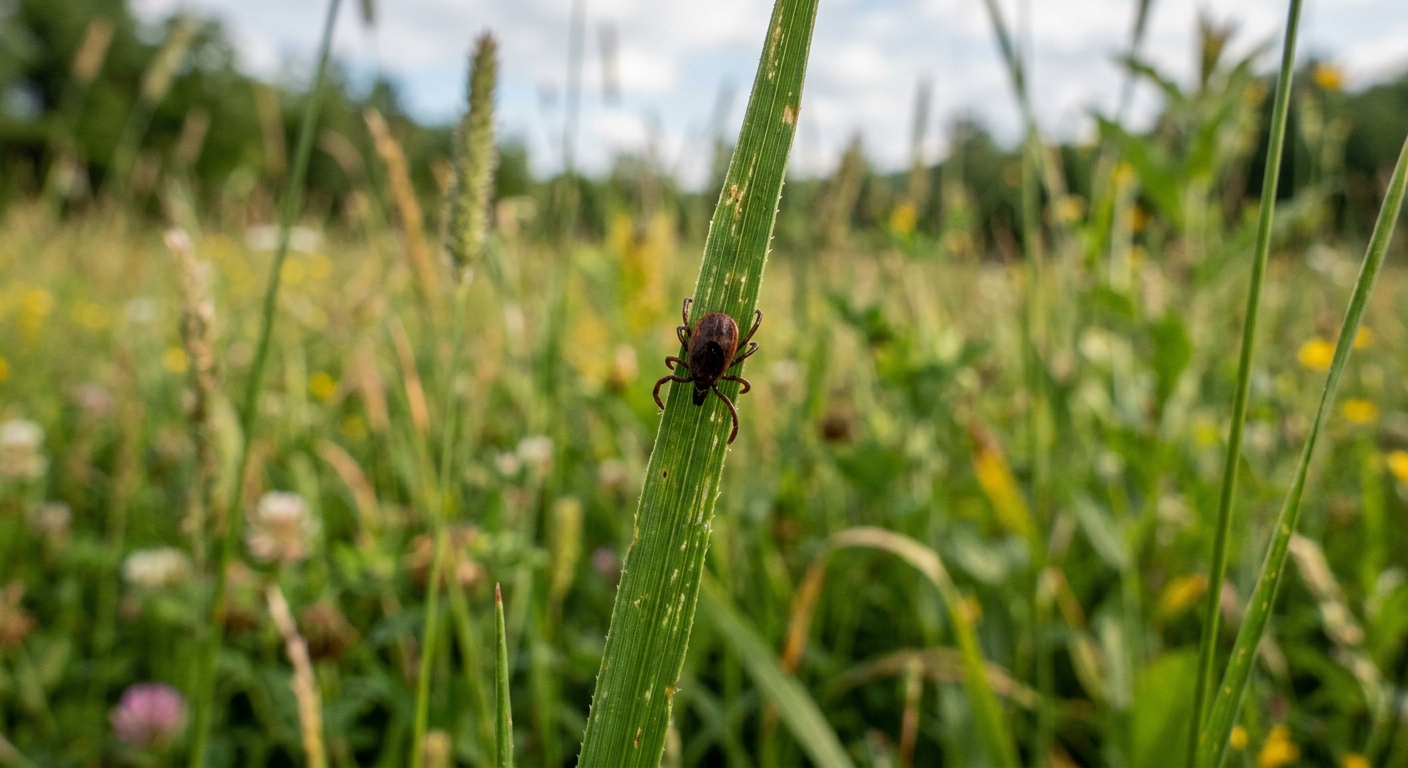
Alpha-gal syndrome occurs when the immune response is triggered by alpha-gal, a sugar molecule found in the saliva of the lone star tick. Once bitten, individuals may experience a severe allergic reaction upon consuming mammalian meat or dairy products. The variety of symptoms ranges widely, from mild cases presenting as hives to potentially fatal anaphylaxis.
A New Frontier for Tick-Borne Conditions in Canada
Traditionally, ticks in Canada have been associated with Lyme disease. However, as climate patterns shift, the lone star tick is now establishing a broader range and introducing regional populations to unfamiliar tick-borne conditions. Nova Scotia health officials note that increasing reports of alpha-gal syndrome emphasize the necessity for education about emerging risks.
Living With Alpha-Gal: Daily Challenges and Precautions
For Baines, everyday life is now defined by complete avoidance of red meat and dairy, as even minor exposure can provoke significant illness. She must carry an EpiPen to guard against unexpected reactions. This reality highlights the physical and emotional toll that such allergies—especially when traced to environmental factors like tick bites—impose on patients.
Public Health Response and Reporting Gaps
Despite the growing number of cases, alpha-gal syndrome remains a non-reportable condition in Canada National 2. This lack of official tracking complicates efforts to understand the true prevalence and trends of the problem. Public advocacy and commentary from local families affected by the meat and dairy allergy have prompted calls for updated health surveillance and resources.
Tackling Tick-Borne Threats: Recommendations for Prevention
Health authorities urge residents to adopt rigorous tick prevention measures. These include using insect repellent, wearing light-colored clothing to spot ticks more easily, and performing thorough tick checks after spending time outdoors. Raising awareness about the lone star tick and the symptoms of alpha-gal syndrome is considered vital for both early detection and broader community safety.
A Broader Outlook for Communities and Healthcare
With tick-borne conditions on the rise, Canadian institutions face increasing pressure to adapt protocols and support services for those experiencing new forms of allergic reaction. Medical professionals are also encouraged to consider rare diagnoses like alpha-gal when assessing unexplained symptoms related to dietary triggers or immune response.
The emergence of alpha-gal syndrome in regions such as Nova Scotia is shifting conversations among health officials, outdoor enthusiasts, and concerned families alike. While precise case numbers remain elusive, increased vigilance, better tracking, and preventive action are seen as essential steps for safeguarding public health across Canada National 2.