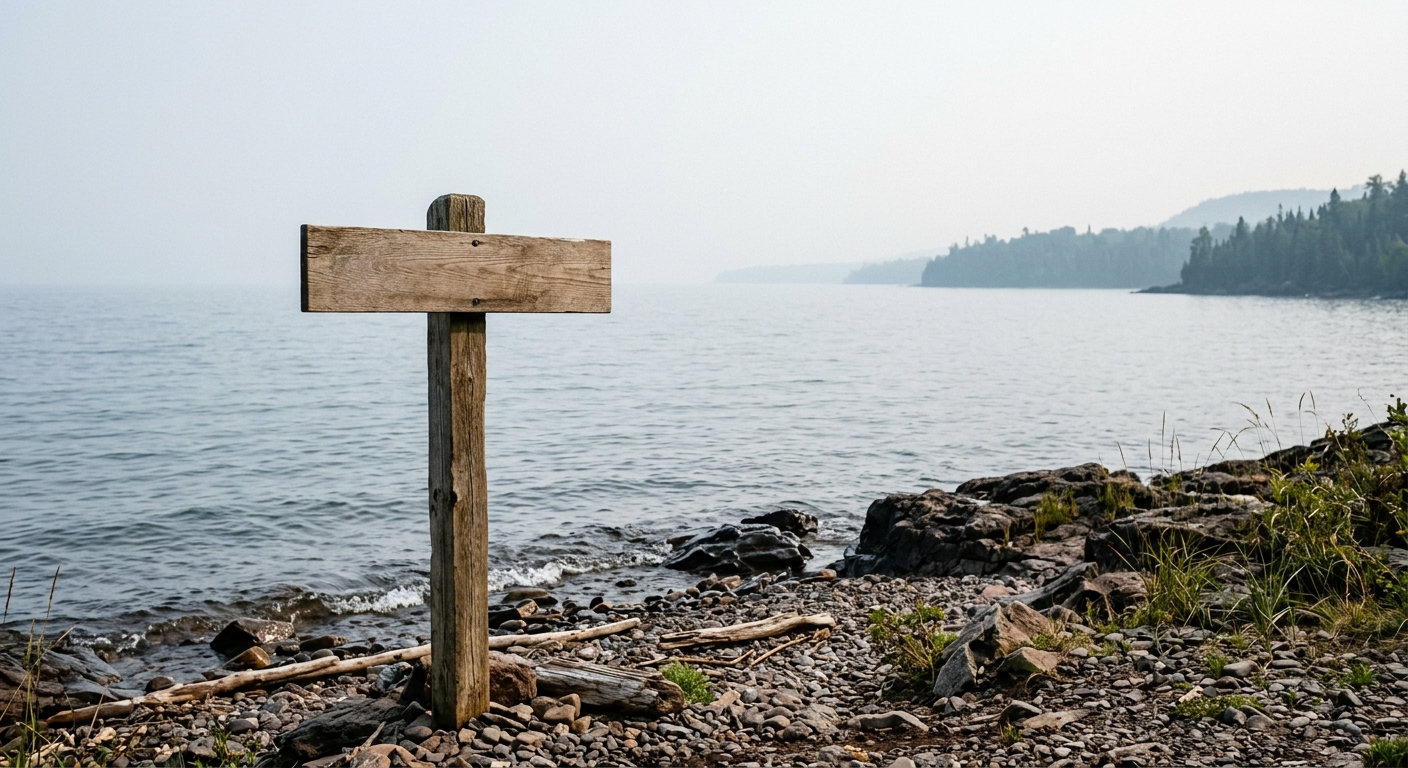
AI-generated illustration; not a photograph of the reported event.
- calendar_today August 30, 2026
Canada National 2 – Google Maps has recently updated its interface to display the term “Lake America” for users within the United States, following a U.S. government directive tied to an executive order from President Donald Trump that officially renamed Lake Ontario. The abrupt transformation of a Great Lakes designation has ignited widespread debate, underscoring the complexities of cross-border relations in the region and throwing the traditional naming of the iconic waterway into sharp relief.
Digital Maps Reflect Shifting Policy
The inclusion of “Lake America” on Google Maps stems from changes to official U.S. geographic names databases after the Trump executive order. U.S. federal documents and digital maps were promptly updated to reflect the new nomenclature. However, for Canadian users and much of the international community, the lake retains its historic title—Lake Ontario—maintaining a clear divergence along the Canada-U.S. border. Google has allowed searches for both names globally, illustrating the reach and nuance of digital maps in a fast-changing information landscape.
Ontario Premier and Political Backlash
The change has been fiercely contested in Canada National 2 and across Ontario. Ontario Premier Doug Ford has been particularly vocal in his opposition, unequivocally affirming that the body of water will remain Lake Ontario for Canadians. Ford’s widely covered unveiling of a new sign, endorsing the traditional name, served as a symbolic stand against the U.S. renaming. He criticized the move as politically motivated, coming on the heels of increased trade war tensions and recent breakdowns in bilateral trade negotiations between the U.S. and Canada.
Cross-Border Tensions Intensify
The dispute plays out amid heightened US Canada tensions resulting from unresolved economic disagreements and tariff impositions. President Trump intensified the controversy by posting an AI-generated video showing a sign with the new “Lake America” name, further inflaming reactions on both sides of the border. The executive order and subsequent digital changes have added fuel to an already fraught relationship, highlighting how matters such as geographic names can become flashpoints in international diplomacy.
Local and International Implications
This lake renaming has implications beyond symbolic value. Although the order currently impacts only U.S. federal documents and interface settings in American-based digital services, it introduces added complexity for those involved in commerce, tourism, and navigation around the Great Lakes region. Digital platforms like Google Maps increasingly shape both perception and practice, raising questions about the authority and stability of place names used by global communities.
Reactions from Canadian Communities
Communities across Canada National 2, academics, and policy makers have voiced strong support for retaining the Lake Ontario name. This local consensus emphasizes resistance to perceived U.S. overreach into shared history and tradition. The lake renaming is seen by many as emblematic of ongoing struggles to maintain cultural and geographic identity in an era of political maneuvering and rapidly evolving digital landscapes.
Looking Ahead: The Name That Stays
Despite high-profile changes in Google Maps and U.S. government documents, Lake Ontario continues to be recognized as such in all Canadian official references and cartography. Regional leaders, particularly the Ontario premier, have underscored their enduring commitment to the lake’s traditional identity, affirming ties to local heritage and the communities surrounding this vital waterway. As regional governments and international organizations evaluate the ramifications of this episode, the debate over lake renaming demonstrates the powerful intersection of technology, politics, and cross-border cooperation. Ultimately, for residents of Canada National 2 and much of the country, the historic significance of Lake Ontario reinforces determination to maintain established geographic names in both civic life and digital platforms.