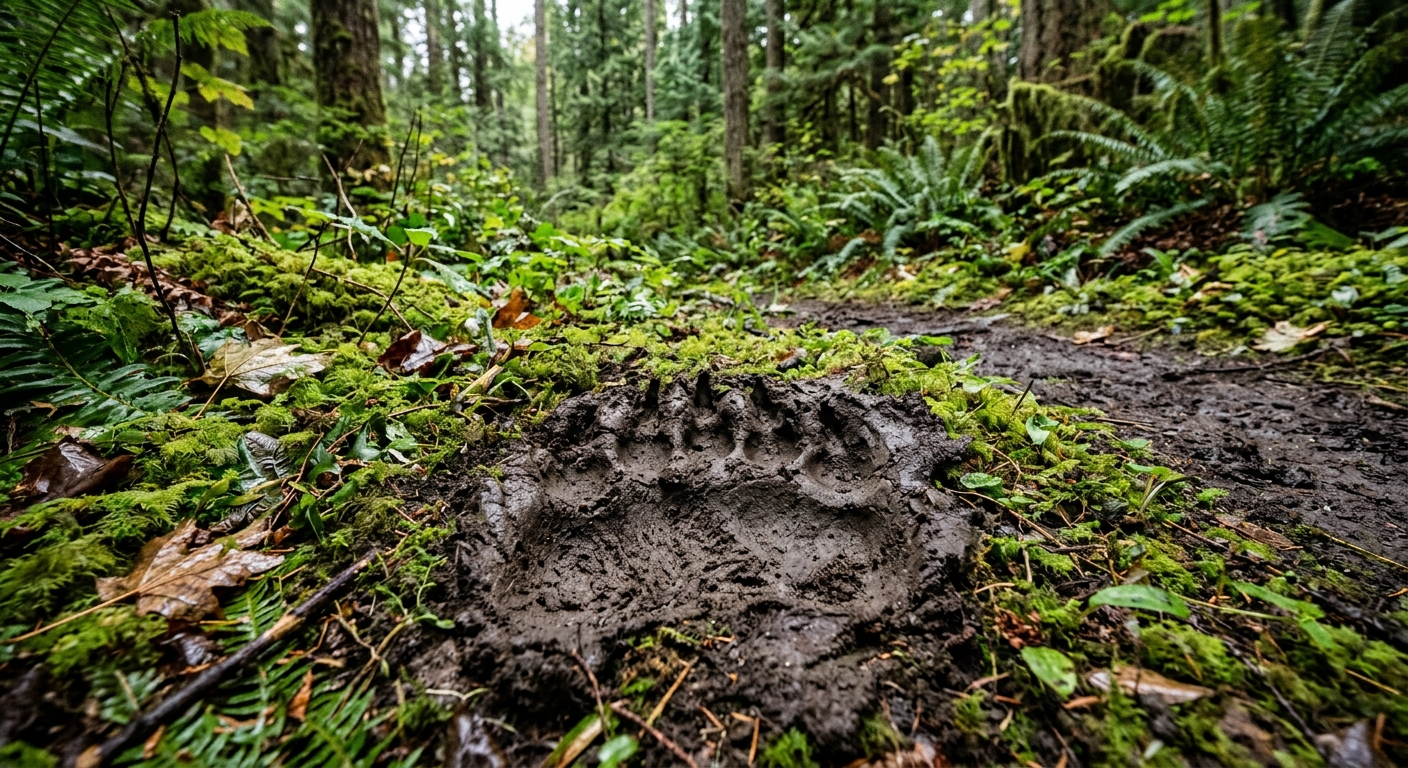
AI-generated illustration; not a photograph of the reported event.
- calendar_today November 8, 2026
Grizzly Attack Prompts Wildlife Investigation Near Bella Coola
The B.C. Conservation Officer Service has intensified its investigation following a fatal grizzly attack that claimed the lives of two women near Bella Coola, located in the Great Bear Rainforest. Authorities have captured one bear in connection with the attack and are pursuing advanced forensic methods to confirm its role.
DNA Profiling: Essential in Wildlife Investigations
To determine if the bear in custody is responsible, officials are leveraging DNA profiling, which entails comparing DNA samples from the bear and materials left at the scene. Dean Hildebrand, a forensic expert and founder of the B.C. Institute of Technology Forensics DNA Lab (not directly involved in this case), emphasized the similarities between wildlife and human forensic investigations. According to Hildebrand, even trace levels of DNA can be sufficient to develop a profile, and these profiles can be stored electronically to link future incidents.
Linking the Investigation to Past Incidents
B.C. Conservation Officer Service Inspector Jeff Tyre confirmed that investigators will also examine DNA data from a previous grizzly attack in November 2025, which resulted in injuries to a group of students and teachers in the same region. Despite trapping and releasing eight bears after that incident, the specific animal responsible was never located. DNA samples from the latest attack will be cross-referenced with the profile developed in 2025 to check for any links.
Challenges of Bear Identification in the Great Bear Rainforest
With a significant grizzly population and a vast protected landscape, identifying individual animals is a challenge acknowledged by officials. DNA testing has become a crucial element in distinguishing one bear from another in regions where they are numerous and difficult to monitor visually.
Nuxalk Nation's Response and Community Safety Measures
The attack has deeply impacted the local community. Elected Chief Samuel Schooner of the Nuxalk Nation expressed sadness over the event, noting that bears have coexisted with the Nuxalk for thousands of years and are considered kin. He said the community is focusing on healing and that any future decisions regarding living alongside bears will be made internally. In the meantime, Nuxalk leadership, conservation officers, and the RCMP are collaborating to ensure community protection—arranging escorts for children attending school and providing transportation for residents as needed.
Ongoing Public Safety Precautions
Authorities continue to urge the public to avoid the Snooka West Trail area near Bella Coola while the investigation is ongoing. The use of DNA profiling stands at the forefront in identifying the grizzly responsible and enhancing public safety in this storied region where wildlife and community closely intersect.
Source: cbc.ca.