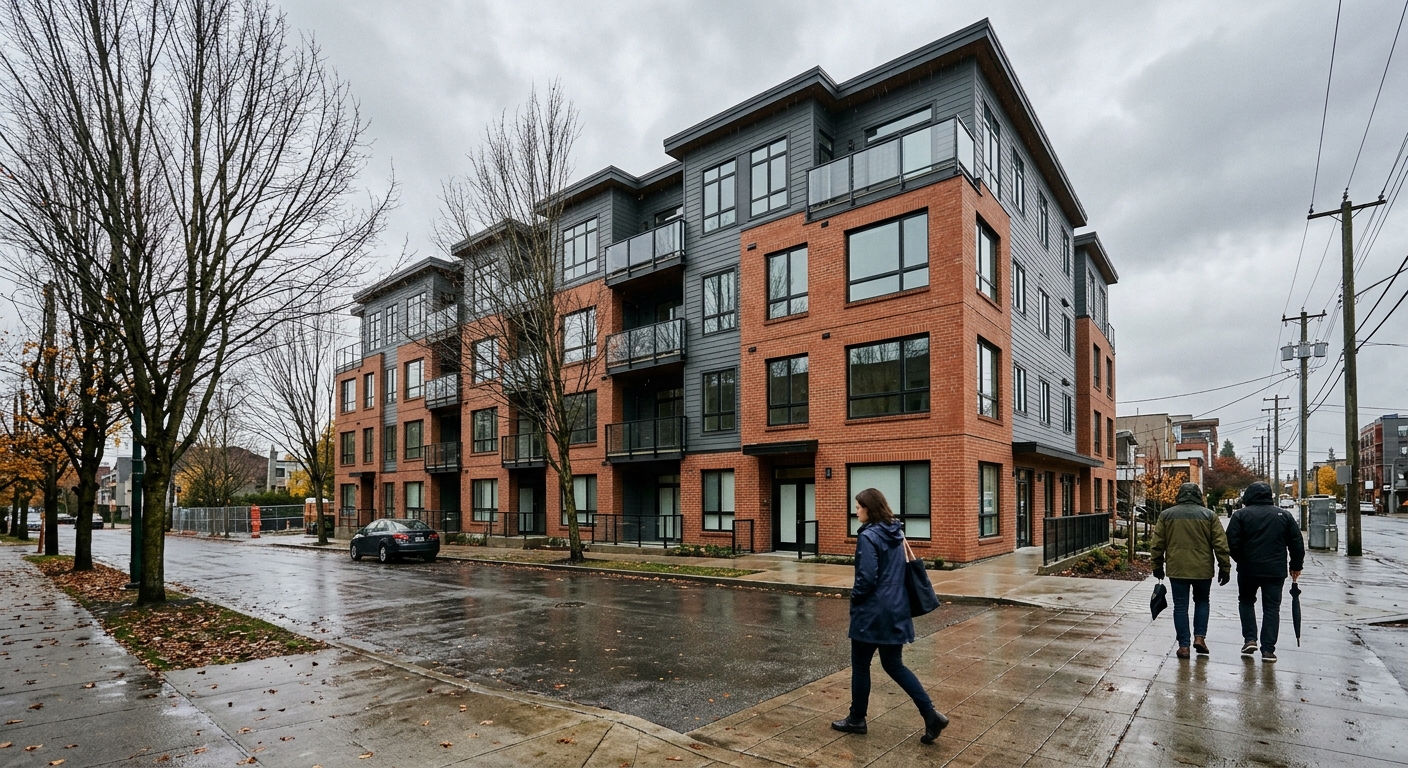
AI-generated illustration; not a photograph of the reported event.
- calendar_today November 8, 2026
Federal Budget Commits $11.2 Billion to End Homelessness
The Canadian federal government has announced a significant investment aimed at ending homelessness nationwide. The Liberal budget, released Thursday, allocates $11.2 billion over the next four years, with a stated goal to eliminate homelessness within a decade. This commitment echoes previous pledges at the municipal level, particularly in Vancouver.
Federal Housing Minister’s Renewed Commitment
Housing Minister Gregor Robertson, formerly Vancouver’s mayor, acknowledged past challenges in addressing homelessness. Speaking Friday in Winnipeg, Robertson noted that earlier efforts were hampered by a lack of coordination and resources from higher levels of government. Now, positioned as federal housing minister, he emphasized that Ottawa is fully committed to this national strategy. The plan includes preventative measures, expanding housing access, and developing new mental health and addiction treatment infrastructure.
Local Endorsement from Vancouver and Victoria
Newly-elected Vancouver Mayor Pete Fry voiced strong support for the federal pledge, describing it as "aspirational, but very possible." Fry highlighted the necessity of investing in housing and shelters, noting that collaboration among municipal, provincial, and federal governments is crucial. In Vancouver, more than 2,700 of Metro Vancouver’s estimated 5,200 unhoused residents live within city limits. Fry stated intentions to reverse a previous freeze on supportive housing, aligning local policy with federal objectives.
Victoria’s recently re-elected mayor, Marianne Alto, also welcomed the federal initiative. Alto pointed to the city’s Community Safety and Wellbeing Plan as a successful model that transitions people from homelessness to independent living. She stressed that expanding supportive and below-market housing will depend on continued provincial and federal support, stating, "If that's the case, then we know there will be success because we've already proven it."
Community and Service Provider Perspectives
Dean Kurpjuweit, president of the United Gospel Mission in Vancouver, expressed cautious optimism about the federal funding. While he appreciated the clear timeline and reduced bureaucratic restrictions compared to previous efforts, Kurpjuweit warned that new housing units must be paired with ongoing operating funds from provincial sources to ensure adequate care and support for those housed. He voiced concerns that provincial funding may not be sufficient or sustained for the necessary duration.
Future Depends on Provincial Action
The continued success of these efforts will hinge on the incoming provincial government’s approach. B.C.'s new Conservative government, led by premier-designate Lorne Doerkson, has yet to be sworn in and did not address the federal homelessness pledge in its initial budget response. Many advocates and municipal leaders are now looking ahead to the new provincial budget to determine whether it will align with Ottawa’s objectives and close the gap in resources needed for lasting impact against homelessness.
Homelessness Remains a Major Challenge
Homelessness prevention, access to supportive housing, adequate mental health services, and expanded housing for vulnerable populations, including unhoused veterans, remain central to the federal plan. The outcome will depend on meaningful provincial cooperation and continued investment as all levels of government work toward resolving Canada's ongoing housing crisis.
Source: cbc.ca.